
Feeling Lost in the Weight Room?
Meet Jim. (*Not his real name for privacy)
25 years old. Works a desk job. No gym background. If it weren’t for his best friends dragging him along to check out a newly opened gym, Jim probably wouldn’t have visited a weight room for another month, or ever.
He didn’t come to lift, and set the lowest expectations on what he will do there.
He came only to observe.
He thought he understood the basics from DIY articles and workout videos, but started panicking deep inside. The moment he stood in the weight room, everything looked strange.
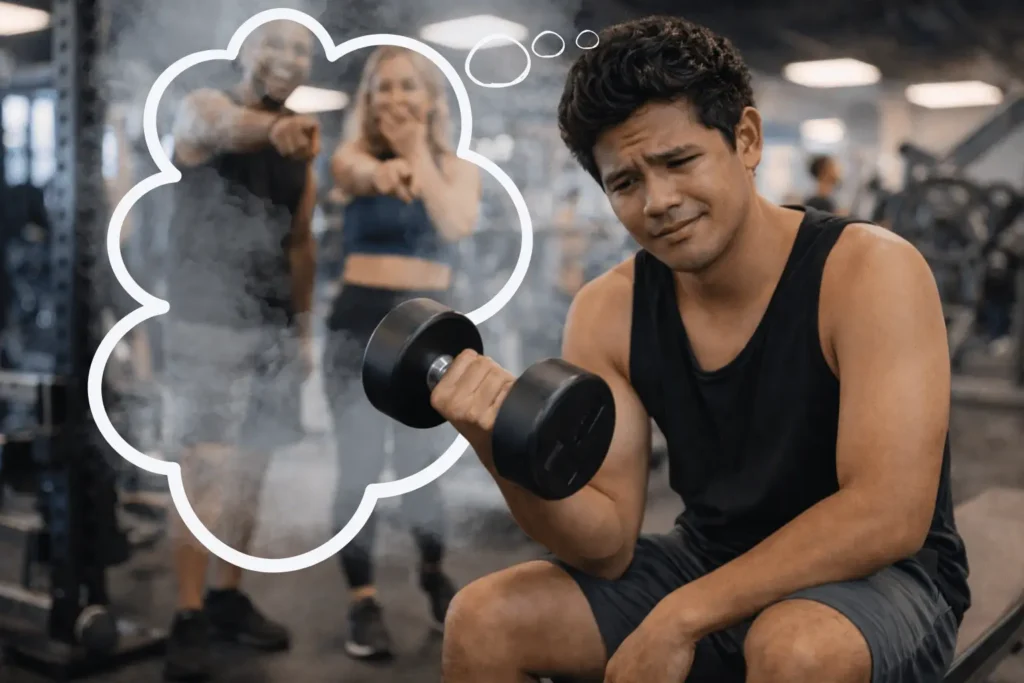
The machines he’s not familiar with, weights and plates he wasn’t sure he could lift, and people who looked like gym pros were everywhere. All those funny gym memes flashed through his mind, making him worry that an incorrect action could be the next viral clip, an embarrassing part of his digital footprint.
“It felt like I had entered into someone else’s ‘dominion’, a place for real gym people, not someone like me,” Jim said.
But instead of shrinking into the corner, Jim watched. Then he made a move that changed everything. He walked over to a coach and simply said, “Hey, I’m new here. Can you show me how this works?”
Whether your entry into fitness is with a friend, like Jim, or you decide to walk in solo, knowing what to do in the gym, how to use the machines safely, and how to follow a workout plan makes all the difference. Those are exactly the things most beginners want to know.
Why Learning about Gym Equipment Matters for Beginners?
(And It’s Not Just for Bodybuilders)
When you don’t know how something works, it’s easy to assume it’s not meant for you. Rows of machines, metal plates, pins, elastic bands, cables, and benches with metal bars that look like heavy medieval torture devices. Weight stacks, handles that look important, but you don’t know how to use them yet, etc.
Learning how gym equipment works isn’t about lifting heavier or looking more advanced for the ego boost. You need knowledge to remove the ‘uncertainty’ that makes most beginners freeze or give up going to the gym.
The more you know and understand how gym equipment works, the more effective your training can become. If your main goal is weight loss, there’s a Cardio Workout and equipment for that. If you want to strengthen your body, there’s strength training for that.
Why the Weight Room Feels Intimidating at First entry?
Without equipment knowledge, workouts can feel random:
You copy what others are doing.
You create your own stance that looks funny and uncomfortable (meme-worthy material)
Wandering between machines and unintentionally hogging them disrupts other people’s routines.
Or worse, you can cause disturbance to other gym-goers just because you want to lift heavier than what you really have to
But once you understand the basics:
You learn to accept that it’s okay to use the lower plate.
You understand each machine's role and what muscle group it hits
Each workout feels more intentional and controlled.
Helps you focus on specific muscle groups.
They started as beginners too. Now your turn!
Weight Room Anxiety Is Real, Here’s How to Overcome It
Anxiety is one of the most common reasons beginners delay starting their fitness training in weight rooms. It’s that silent fear of looking lost, doing something wrong, or feeling judged by people who seem to know exactly what they’re doing.
Bodybuilders, athletes, and trainers didn’t wake up knowing how to use gym equipment.
Neither did the people who now look confident using it.
They learned, just like you’re about to.
Using gym equipment isn’t a ‘rite of passage’ reserved only for advanced lifters. It’s a skill every gym-goer over time, starting with lifting the lightest weights up to the heaviest.
And once you get a sense of how the tools around you work, the weight room starts to feel less scary.
Here’s the 5 Simple Ways to Reduce Weight room Anxiety (Before You Even Lift)

1. ) Start With Observation (Yes, That Counts)
Just like Jim, it’s okay to watch first. It’s good if you have gym buddies with whom you can ask questions and exchange knowledge. But if you don’t have anyone at the moment, spend your first few minutes in:
- Noticing how machines are adjusted in each rep
- Watching how people move between sets and rest
- Check with the coach about each gym floor area.
Take your time to study how to use the equipment properly and where it is located, so you feel at ease the next time you use it.
That way, you can focus on controlled movement, breathing, and proper posture, which makes strength training safer and more effective.
2. Have a Simple Plan (Even a Tiny One)
Going into the gym without a plan is a quick way to trigger your anxiety. You don’t need to start a complete, complex program right away. Stick to the basics throughout your session, whether you use the same workout pattern for a week, a month, or more. All you need is a clear goal, like:
- “I’m going to use three machines for my upper body today.”
- “I’m going to practice form before adding a new level of weight.”
- “I’m going to stick with my bodyweight for 20 minutes and then leave.”
When your workout plan is simple, there’s less time to overthink, and you can concentrate on what you really need to do. The more likely you are to stick to your new workout habits, too.
3. Stick to Beginner-Friendly Equipment First
To reduce your anxiety, you don't have to jump straight into heavy barbells or complex lifts. Starting with your weight before the machines reduces excessive force on your joints.
Think about it: If you can't even lift something off the floor without hurting your back, can you really expect to lift heavier weights without actually injuring yourself?
You can look for strength machines designed for beginners:
- Practice using everyday tools at home, where no one can watch you. If you want to try lifting a barbell or dumbbells, look for mop handles or water bottles. Pretend you are using the actual equipment, but focus on practicing the correct hand position and proper arm bending. You can even feel a natural magnetic pull every time you execute the right form.
- You can also record your reps at home to see what needs improvement in your current workout. Film at home if you’re not yet comfortable outside.
- Mirrors are also everywhere in a gym, but you can use one at home to check your form while using your preferred machine.
4. Ask for Help (This Is a Power Move)
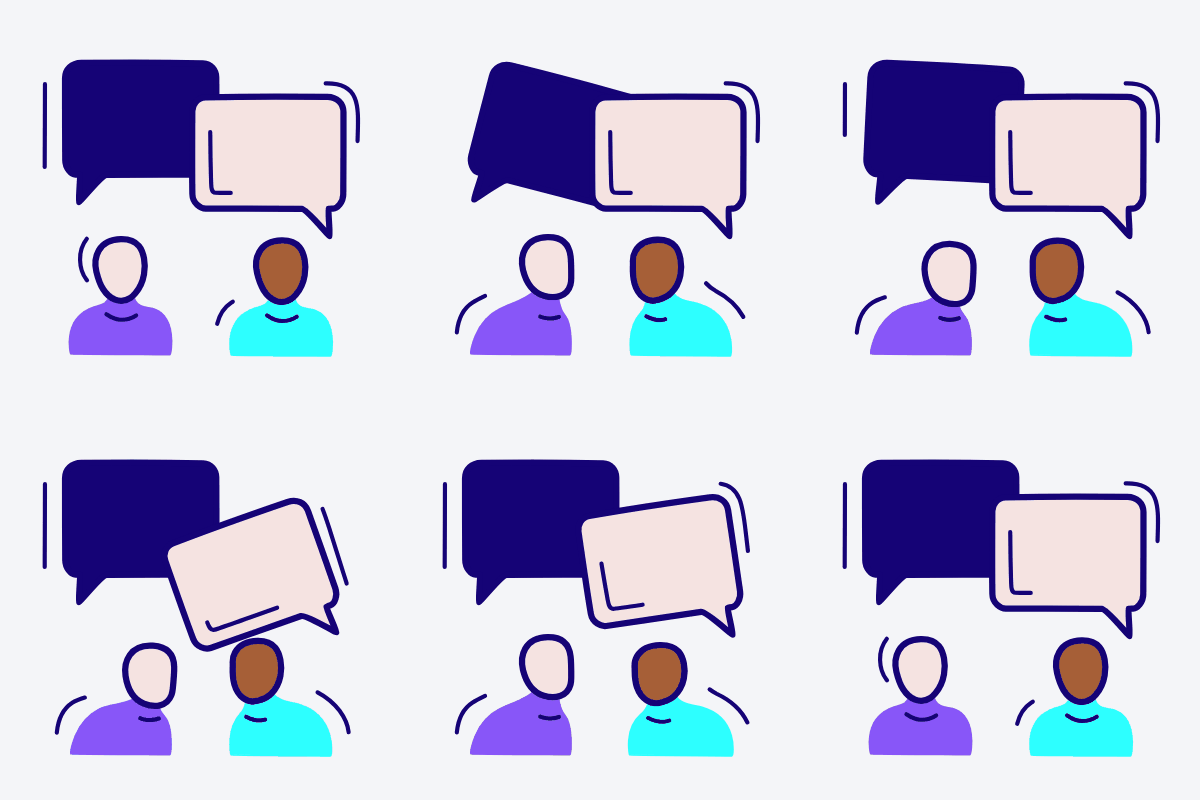
Asking a coach or staff member for help is not embarrassing; you are encouraged to ask for their assistance, and they’ll be pleased to help. A simple line works:
“Hi, I’m new. Can you show me how to use this safely?”
Coaches want to help. And one quick explanation can save weeks of confusion and prevent injury.
5. Remember: No One Is Watching You the Way You Think
This one’s important. Most people in the weight room are:
- Focused on their own workout
- Counting reps
- Thinking about what they’re doing next
- Or just having a long pause after an exhausting session.
They’re not judging you. And, what if someone does glance your way? It’s usually curiosity or encouragement. Sometimes, they do care to drop some tips or assist you without being invasive of your personal space.
Bodyweight vs. Machines vs. Free Weights: What’s Best for Strength Training Beginners?
Most beginners assume heavier weights mean faster progress. Instead of using heavy metals to train muscles, his friends insisted on helping him stick to the basics first: stretching, cardio warm-up routines, and bodyweight with proper posture. But at the back of his head, he thought maybe he could lift 50 lbs. in his first try to catch the cutie’s attention with how strong he looks.
This now raises a new question: for beginners in the weight rooms, which is better: go metal, or go bare?
Imagine his confusion when he started asking the coach for advice and received the same conclusion, along with an upgraded, customized workout plan. All bodyweight exercises, no actual lifting, for a couple of weeks until his body remembered the correct form.
In his case, this is fair enough because he often complains about the burning sensation in his left elbow when performing rigorous and repetitive movements, and sometimes suffers from sciatica due to sitting for too long.
Technique First, Weight Second (What a Real Coach Wants Beginners to Know)
According to Dr. Mike Israetel, (sports physiologist, athlete, coach, author, and fitness expert):
"Gym-goers often neglect this [technique first, weight second] mindset in the early stages of their training," that sometimes lead falling into the trap of ego-lifting.
Remembering you are a beginner can help, so you don’t need to worry about how much weight is on the bar. Your body will adapt no matter what weight you’re using.
What matters most at the beginning is learning how to move well. That means solid technique and understanding how your body moves through space.
When to Use Each Technique?
Aside from bodyweight, both free weights and machines have a place in a beginner’s workout. The key isn’t choosing one over the other forever; instead, it’s knowing when to combine each technique to work best for you. This is now a stage when you have overcome your anxiety and can move confidently at the gym.
Machines are especially helpful if:
Some workouts are better with heavier weights for targeting specific muscles.
Other times, guided light weights are best for secondary muscles
You are easing back into training after a break or injury.
Free Weights Become More Useful When:
Starting every new workout, to understand the safe movement patterns
You need to control the muscles within a comfortable range.
Ready to involve more muscles at once, more advanced than guided machines
You can complete sets with proper form, and are ready to add more weights.
Best Training Programs for Beginners
Four Main Training Focuses
Flexibility Training
helps improve your body's range of motion and stretchability. You usually do this before as a warm-up stretching or after workouts as a cool-down stretch. Some use cables, resistance bands, and free weights.
Cardio Training
this helps improve your heart health and builds stamina. This is usually done with bikes, treadmills, in 5-10 minute cardio, or even part of a whole workout.
Resistance Training
this is where you see the most common muscle-building equipment. Dumbbells, barbells, and bodyweight exercises train your body to work as a unit. They challenge stability and coordination, which helps strengthen real-life movement.
Core Training
another workout that helps stabilize your body by focusing on the core development of abdominal muscles and the back.
What a Beginner-Friendly Program Looks Like
2–3 workouts per week
Rest days in between for recovery
A mix of machines, bodyweight exercises, and light free weights
Basic movement patterns can include pull, push, and squats.
They started as beginners too. Now your turn!
Introduction to the most Common Gym Machines for Beginners
Cardio Machines

Treadmills
What it’s for: walking, jogging, and running indoors to burn calories prove spinal stability when used correctly.
Beginner tip: Start with walking. Use handrails only for balance, not support.
Stationary Bicycles
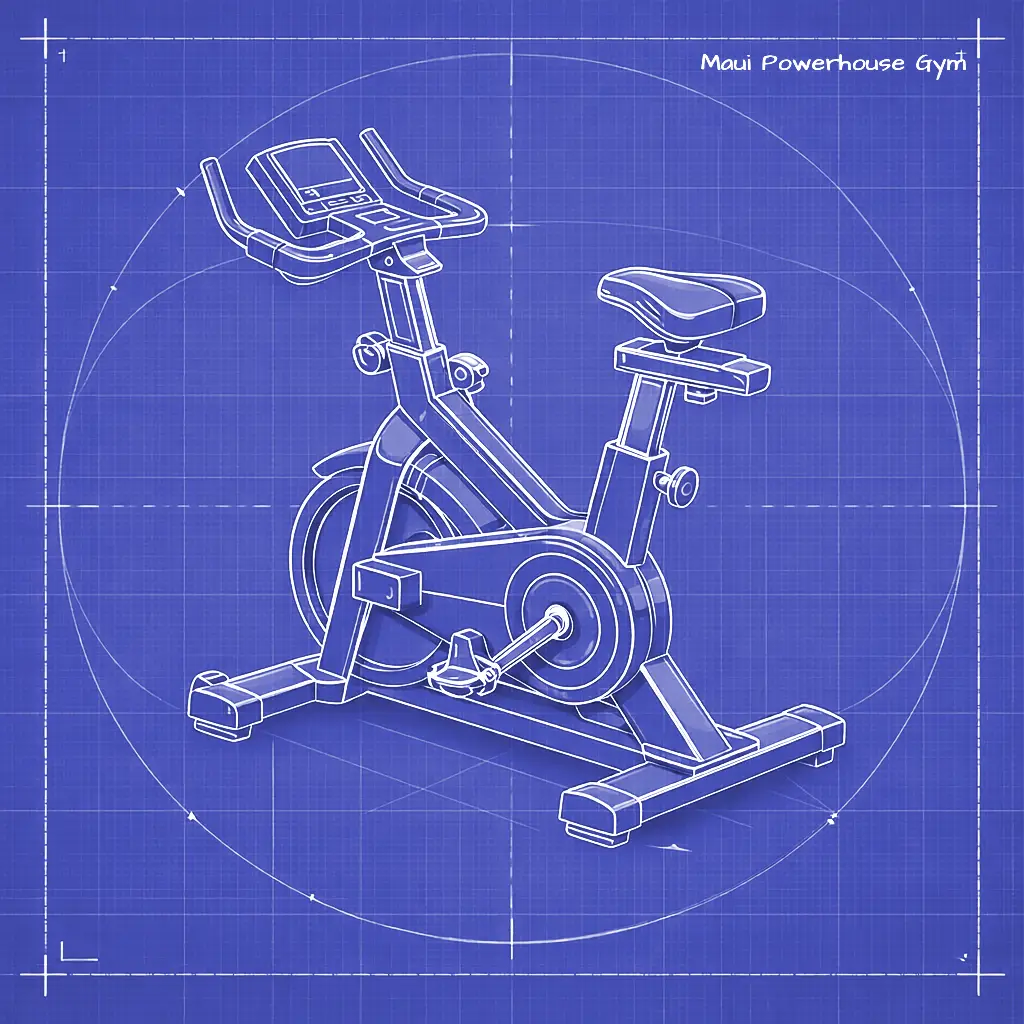
What it’s for: Low-impact cardio that’s easy on the joints
Beginner tip: Adjust the seat so your knee stays slightly bent at the bottom.
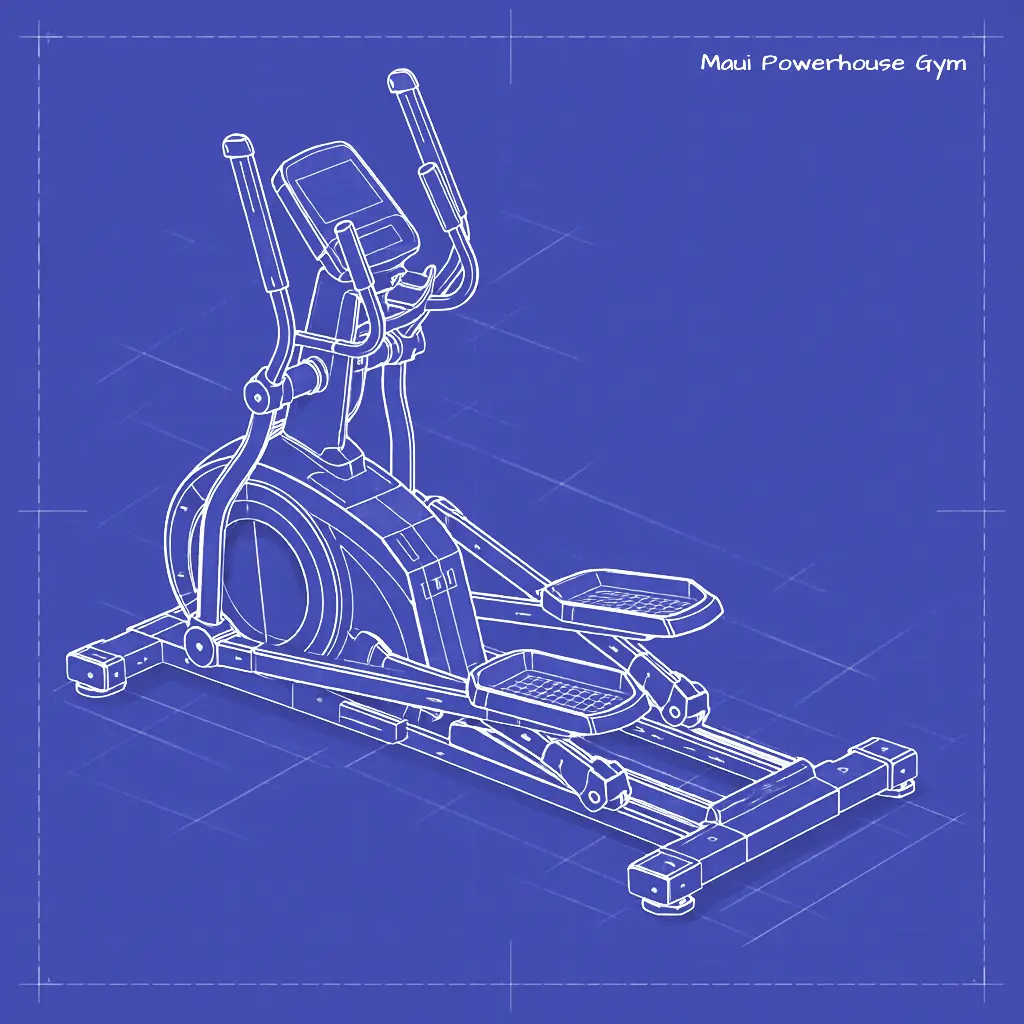
Ellipticals
What it’s for: Full-body cardio without joint impact,
Beginner tip: Keep heels down and posture upright.
Strength Training Machines

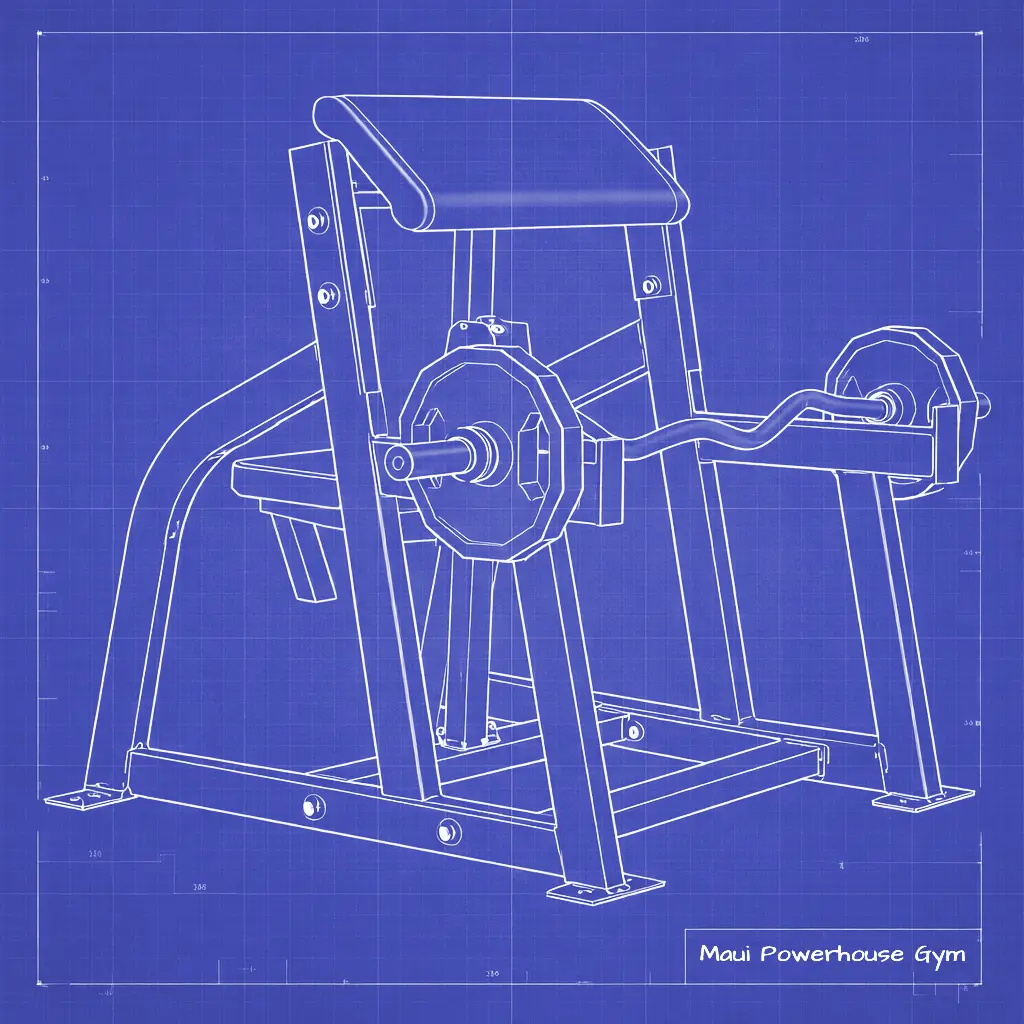
Bicep Curl Machine
This machine mimics the motion of curling a dumbbell, but with a fixed path of motion. It helps beginners focus on arm strength without worrying about losing balance.
Beginner note: Lift the weights slowly and in a controlled manner; do not swing aggressively. You should feel tension and resistance in the biceps as you relax your grip on the handles.
Shoulder Press Machine
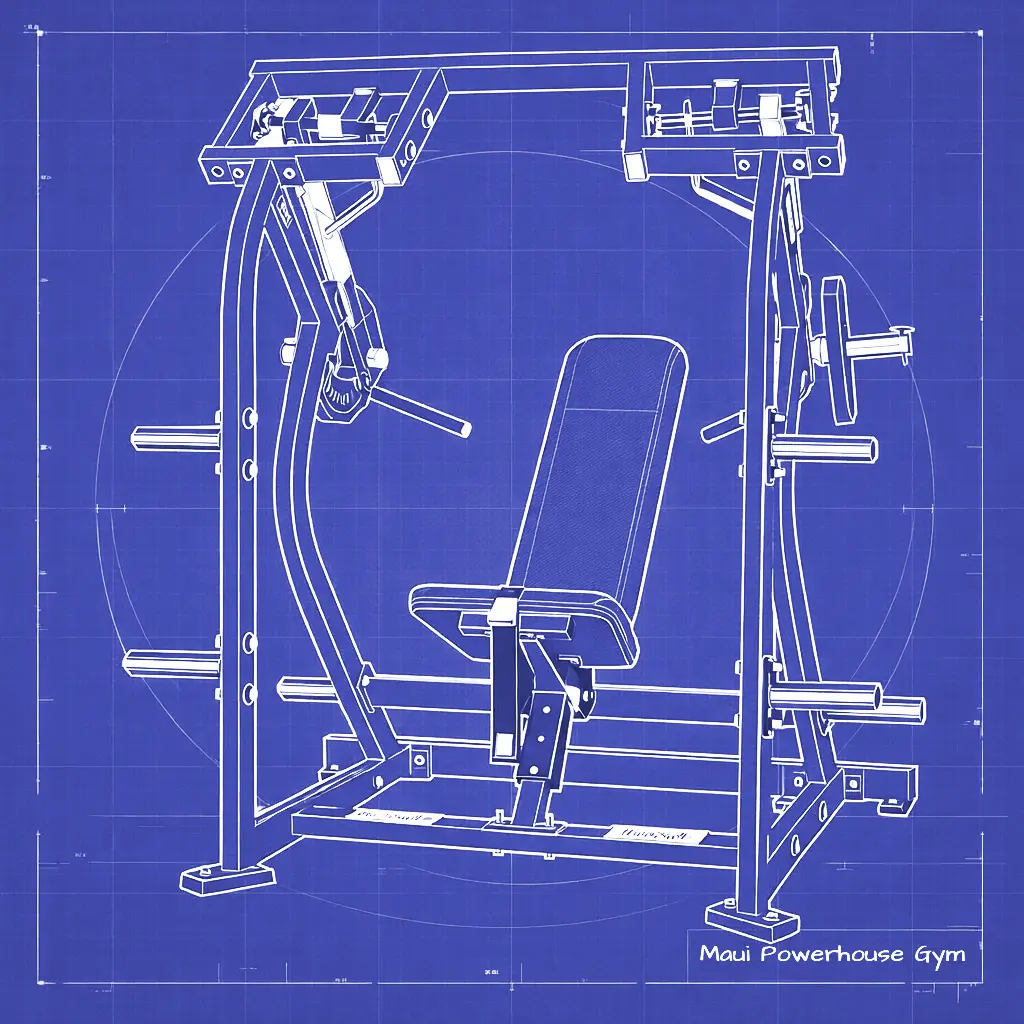
Main Purpose: Shoulders and upper arms. This machine is a seated version of the overhead press that targets the deltoids (shoulders), triceps, and the upper chest. It’s great for beginners learning how to do a strength press without needing to stabilize a barbell.
Beginner tip: When pushing handles upward, start from shoulder height until arms are extended, then slowly lower them back down with controlled breathing. Stop just before locking your elbows to protect your joints.
Triceps Extensions
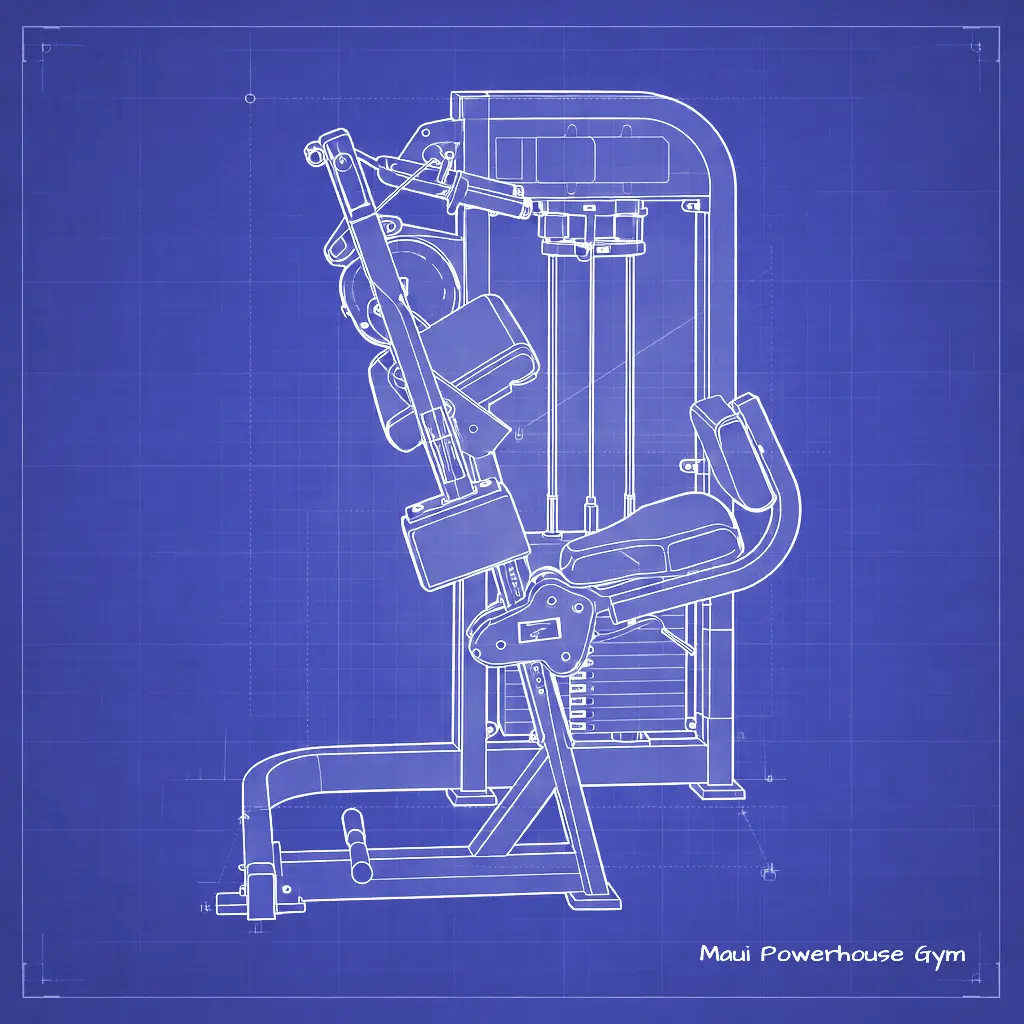
Main Purpose: Back of the arms (Triceps). This machine helps balance arm strength and supports pressing movements, such as push-ups and bench presses.
Beginner tip: Keep your elbow stable as you move the equipment, lowering and raising the weight to a manageable level. Don’t let your elbow shake or drift apart so the real tricep muscles are hit, instead of your joints, whether you use cables, dumbbells, or kettlebells.
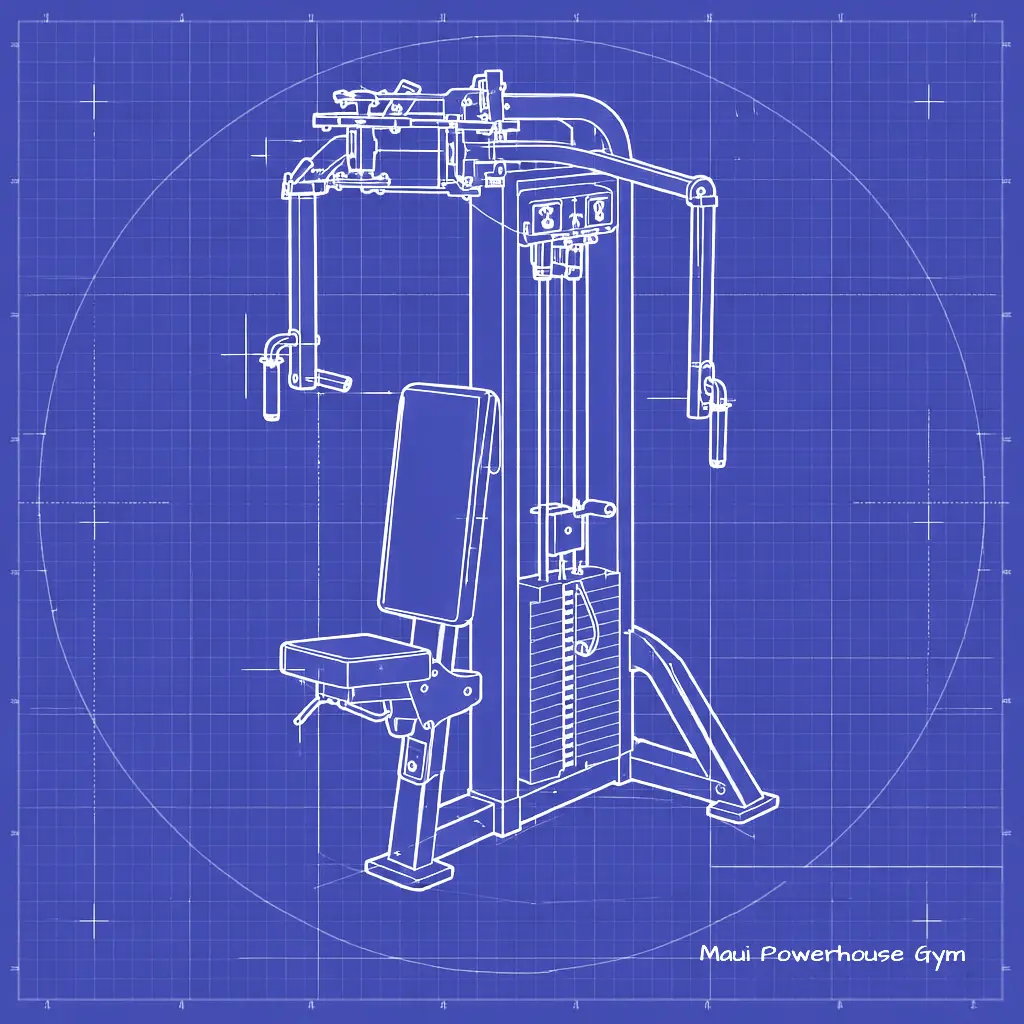
Chest Flyes / Rear Delts
Main Purpose: Can work in two areas: the chest and the upper back, depending on how you are positioned
Beginner tip: Before you start, take a moment to adjust the seat and the weight stack. When you sit facing the machine, you can feel the movement more between your shoulder blades. If you sit facing away, the stretch shifts across your chest.
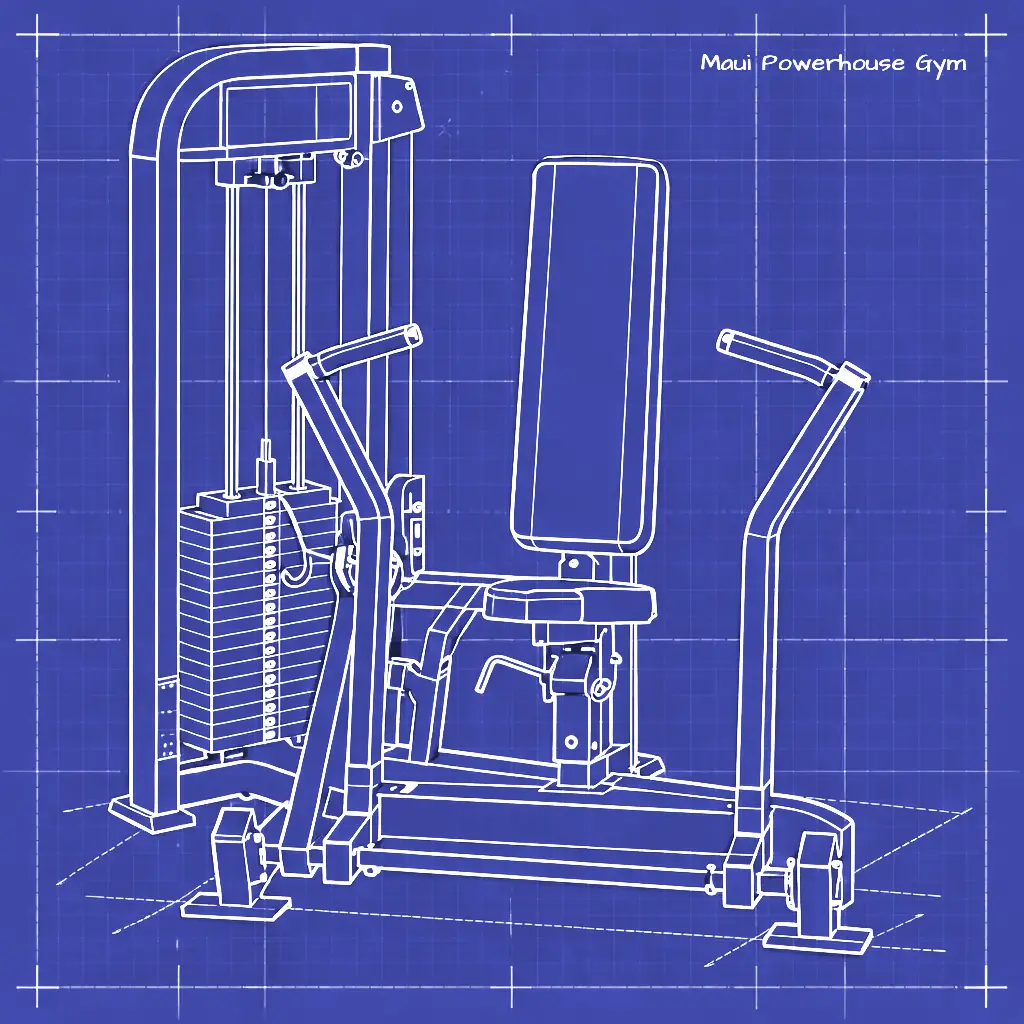
Chest Press Machine
Main Purpose: Hits the chest (pectoral), shoulders, and triceps muscles together. This is one of the most beginner-friendly pressing machines, and it feels more comfortable to use than others. When you use this, the movement closely resembles a push-up or bench press, but with added stability.
Beginner tip: When you pull the chest press machine towards you, the handles should line up with mid-chest, not near the shoulders or neck. You can feel the pressure through your chest and arms without strain in your shoulders or neck.
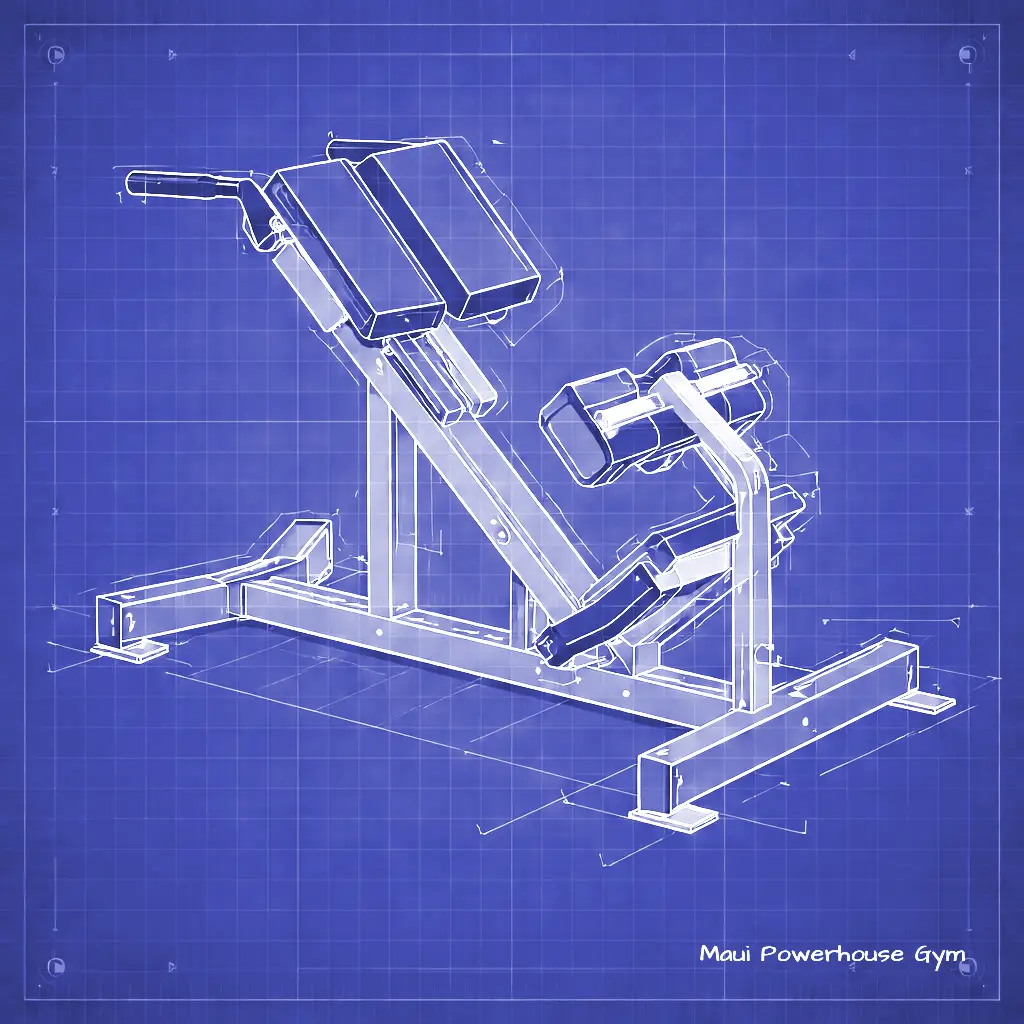
Back Extension Machine
Main Purpose: Strengthens lower back muscles and affects hamstrings, quads, hips, and glutes. This machine also helps improve your posture, tone your core, and improve spinal stability when used correctly.
Beginner tip: Adjust the machine to your height, with the top pad against your thigh and your ankles against the leg pad.
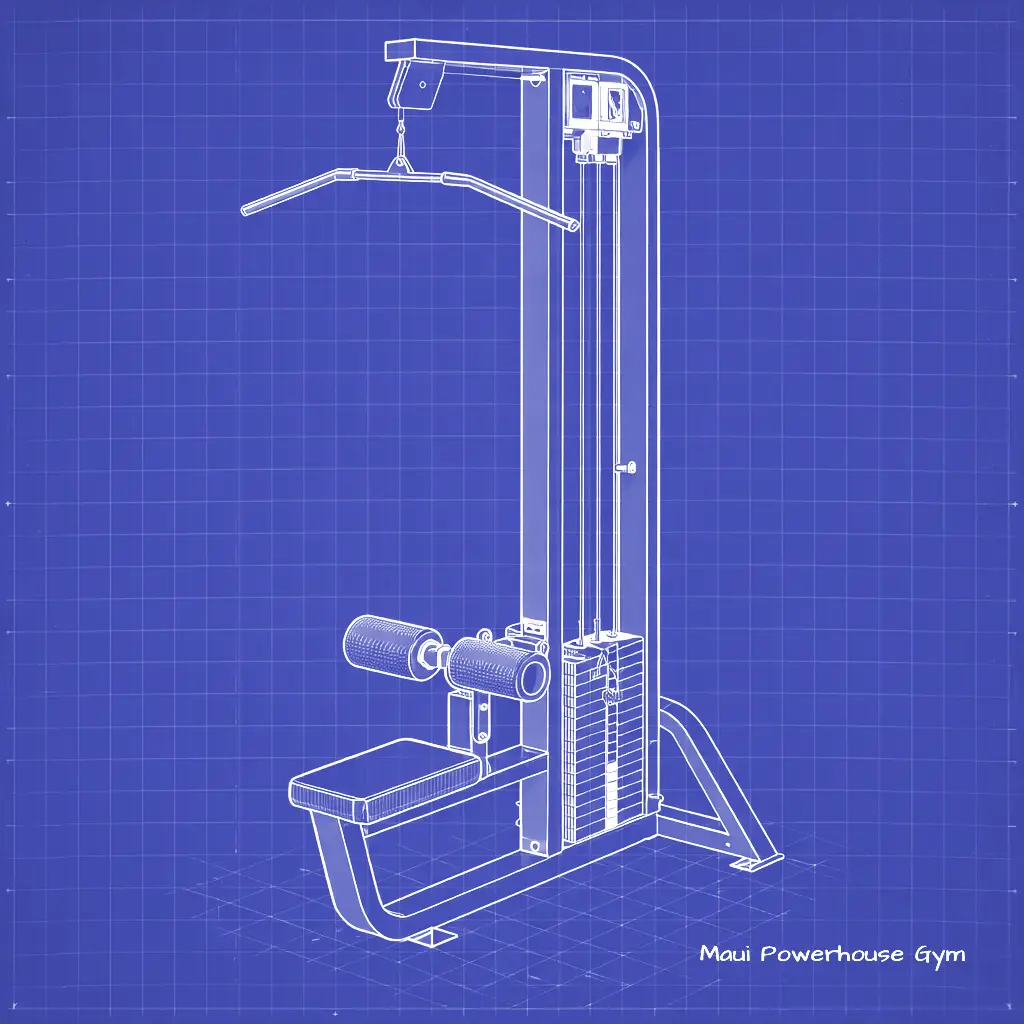
Lat Pulldowns
Main Purpose: Upper back, arms, and shoulders. The lat pulldown is one of the best machines for beginners to learn pulling strength. It helps balance out pushing exercises and enhances better posture, especially if you spend a lot of time sitting.
Beginner tip: Pull to the chest, not behind the neck. If you find yourself leaning back too far or yanking the bar down, the weight is likely too heavy.
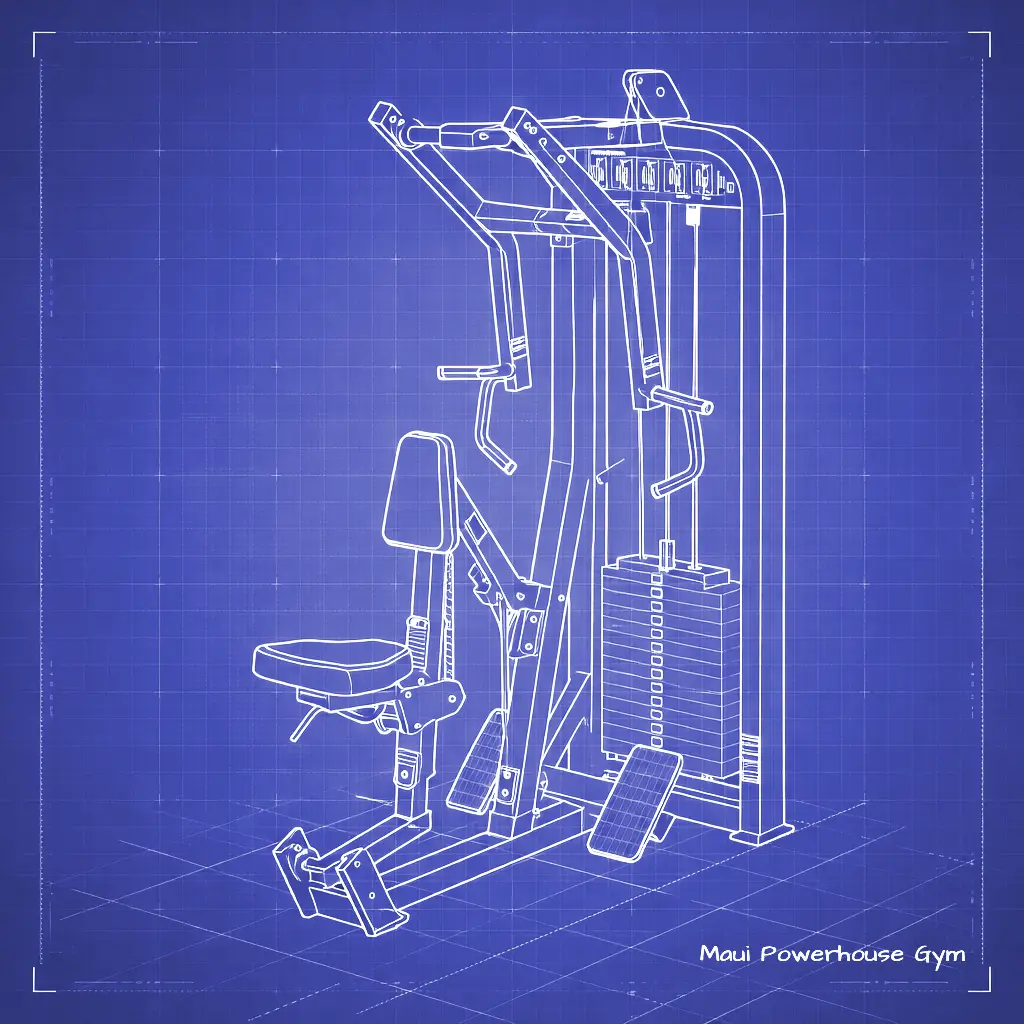
Rows
Main Purpose: Mid-back and posture muscles. Row machines are great for resolving rounded shoulders issues and building upper-back strength. They train the muscles that help keep your chest open and your posture upright.
Beginner tip: Squeeze shoulder blades together. If your back wobbles when you move the weight, reduce the load and focus on controlling the resistance you feel on the back.
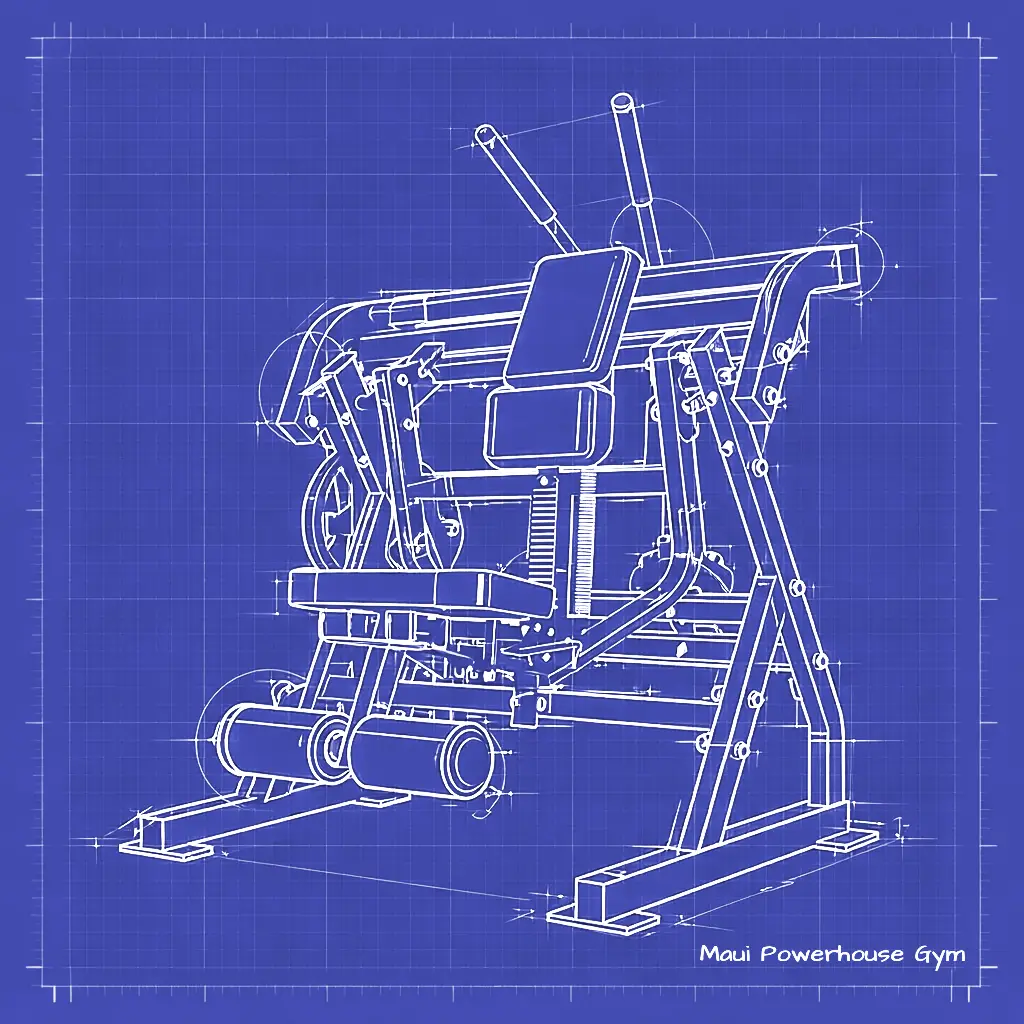
Ab Crunchies
Main Purpose: Core strength. The ab crunch machine adds resistance to a familiar movement while supporting your lower back. It’s useful for beginners who want to feel their core working without straining their neck.
Beginner tip: Exhale as you crunch forward. Move through a comfortable range.
Lower Body Strength Training Machines

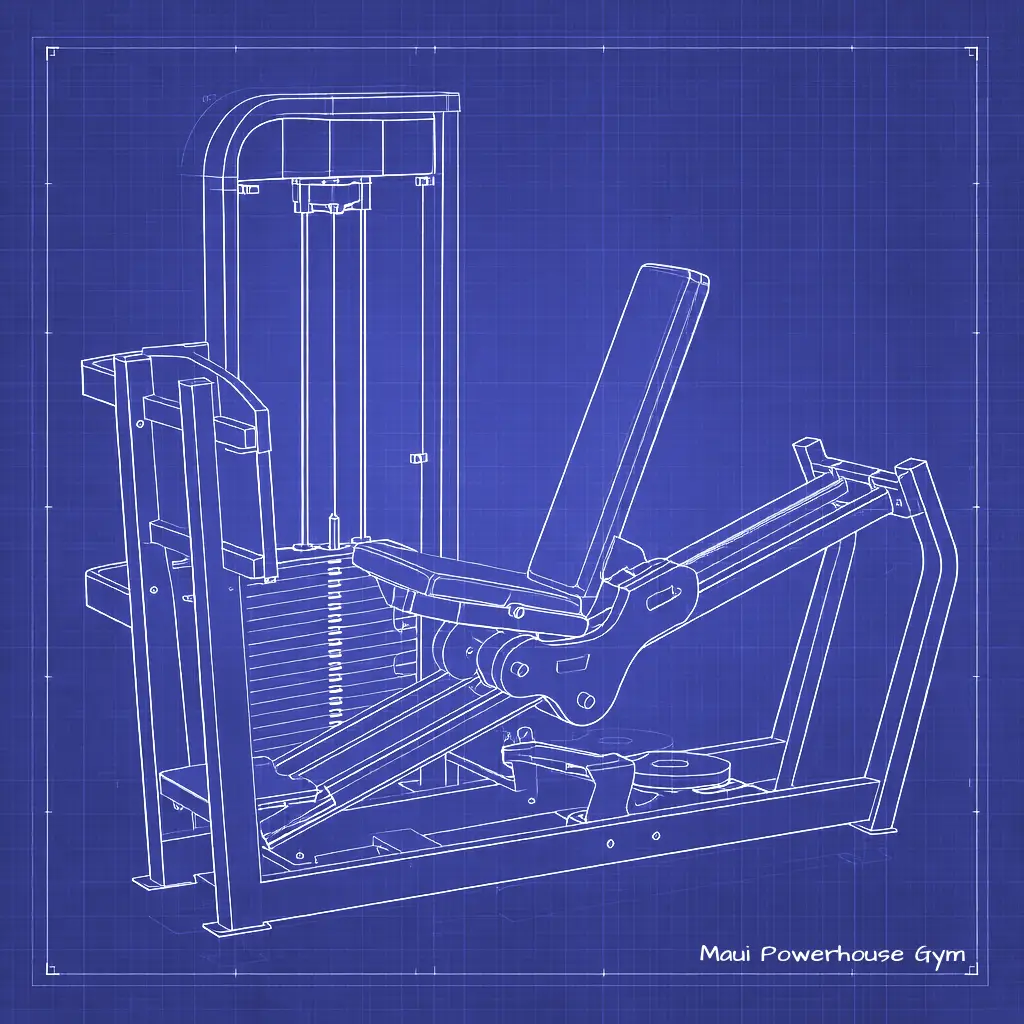
Seated Leg Press Machine
Main Purpose: Thighs, glutes, and hips. Seated Leg Presses allow you to build leg strength without placing weight on your spine, which makes it feel more stable than squats early on.
Beginner tip: Don’t lock knees. Reduce the weight when you notice your hips lift off the seat or your knees cave inward.
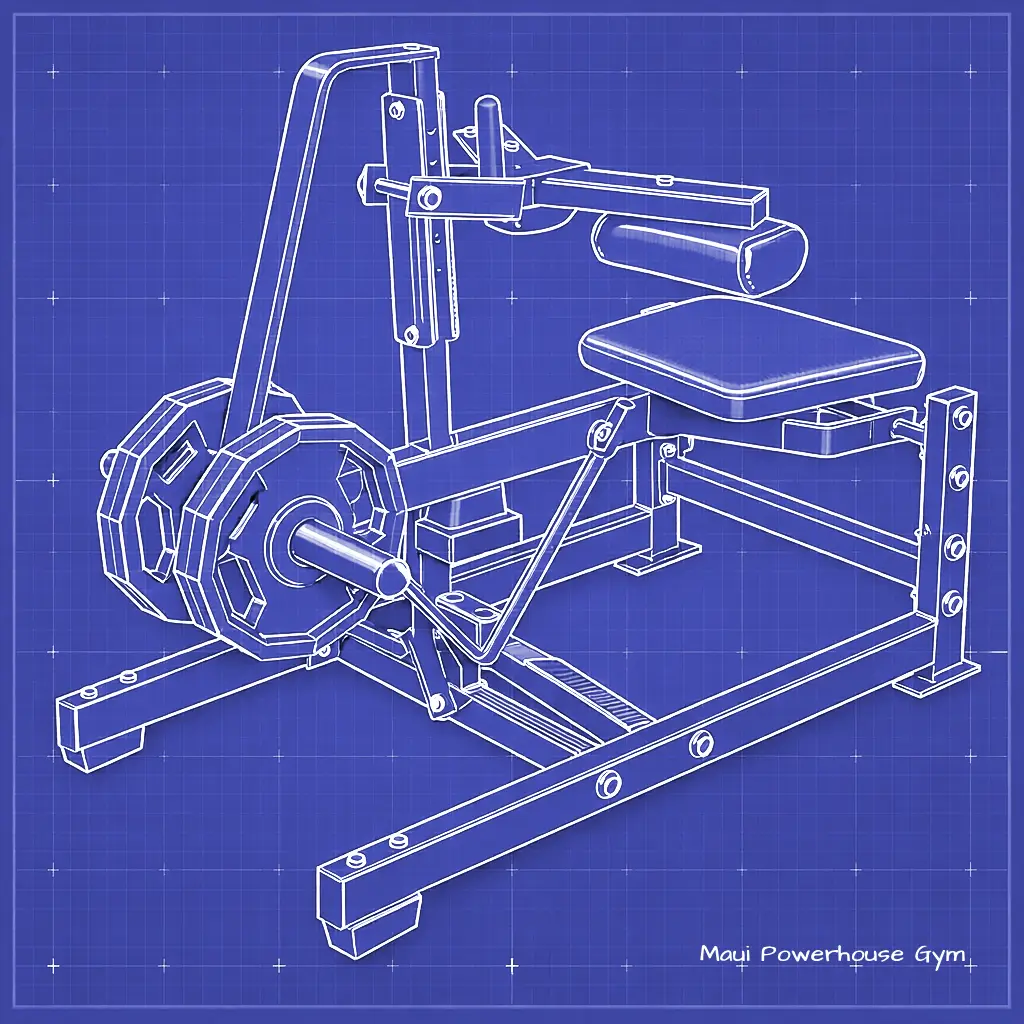
Calf Extension Machine
Main Purpose: Strengthens the calf muscles in the lower legs, supporting ankle stability, balance, and everyday movements like walking, running, and climbing stairs.
Beginner tip: Move slowly and pause briefly at the top of each raise. Avoid bouncing, control builds strength faster than speed.
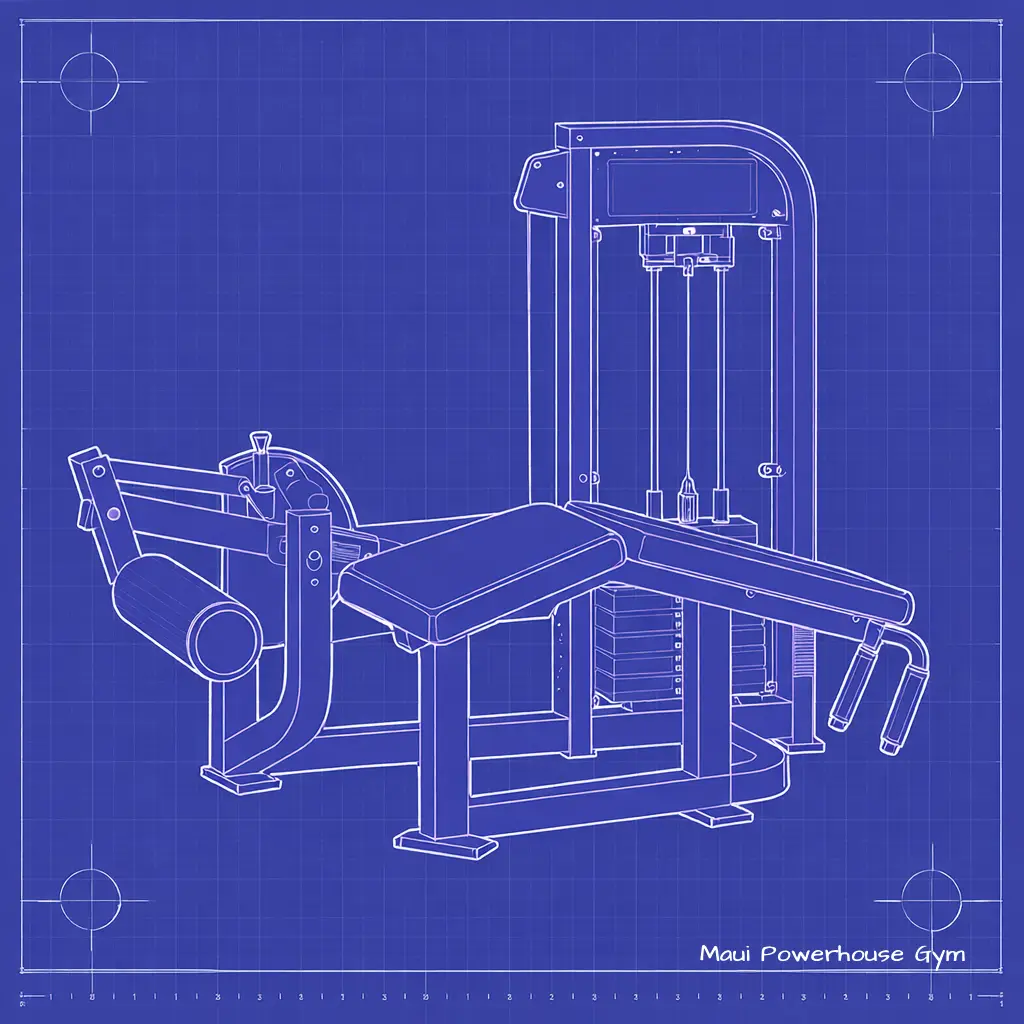
Leg Curl Machine
Main Purpose: Strengthens the hamstrings at the back of the thighs, which support knee stability and help protect your lower back during daily movements.
Beginner tip: Adjust the pad so it rests comfortably behind your ankles. Pull the weight smoothly without jerking or rushing the movement.
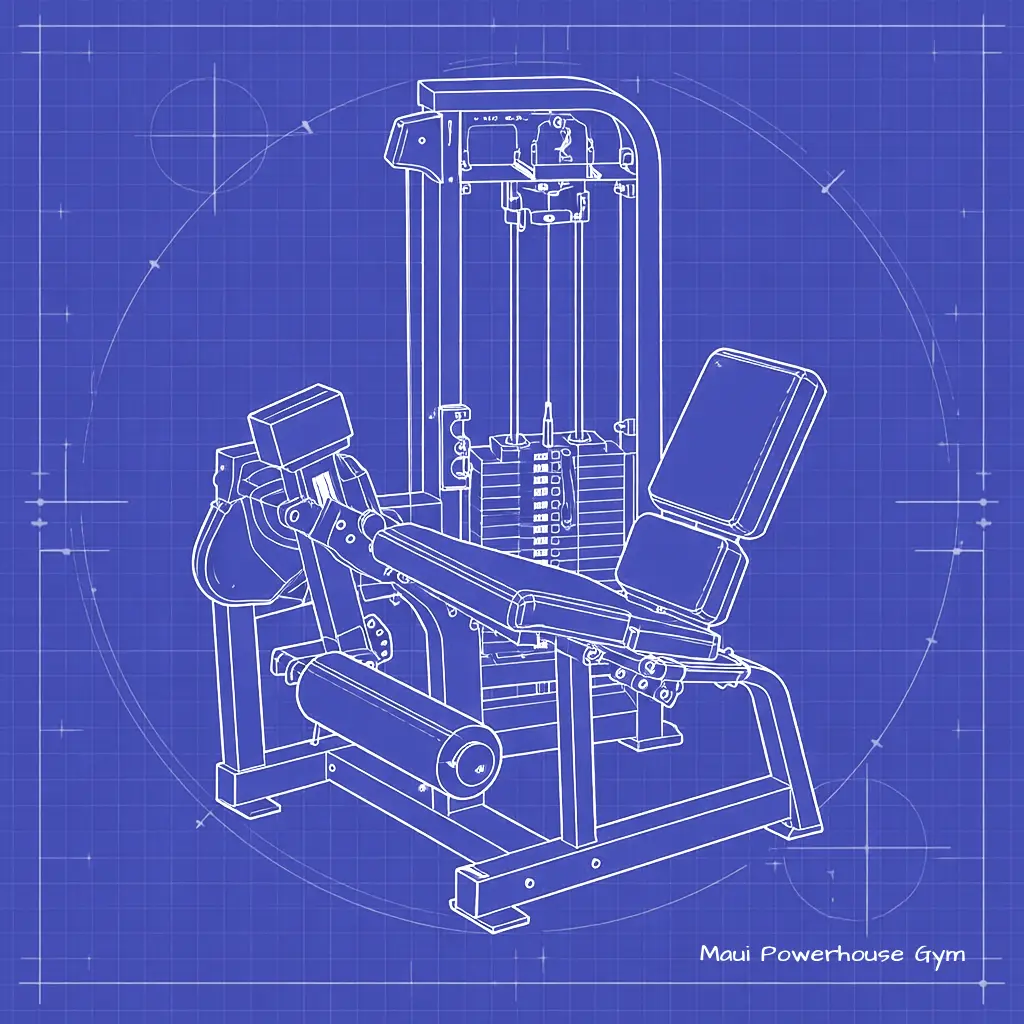
Leg Extension Machines
Main Purpose: Isolates the quadriceps (front thigh muscles), helping build knee support and improve leg strength for standing, climbing, and squatting.
Beginner tip: Lift and lower the weight with control. Stop short of locking your knees to keep tension on the muscles and protect the joints.
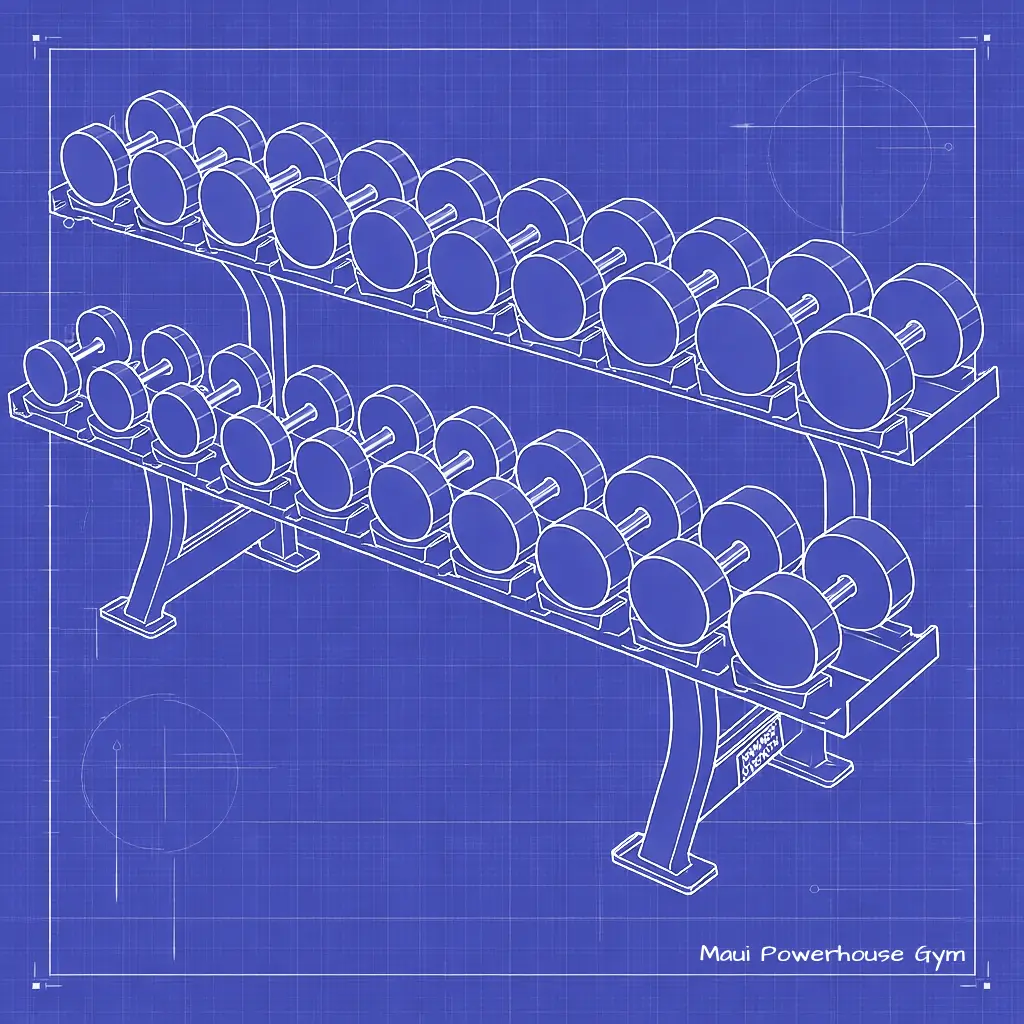
Free Weights

Dumbbells
Main Purpose: This versatile free weights used to train the entire body, including arms, shoulders, chest, back, legs, and core. Dumbbells improve balance, coordination, and muscle control.
Beginner tip: Start with light dumbbells and focus on controlled movement.

Barbell
Main Purpose: Used for compound lifts that train multiple muscle groups at once, such as squats, presses, and deadlifts. Barbells help build total-body strength and muscle coordination.
Beginner tip: Learn proper form with an empty bar or light weight before adding plates. Focus on technique before adding new weight load.

Bench
Main Purpose: Supports free-weight exercises by providing stability for pressing, rowing, core work, and lower-body movements. Benches allow flat, incline, and decline training.
Beginner tip: Adjust the bench angle before starting and make sure it’s locked securely to avoid shifting during exercises.
Power Racks

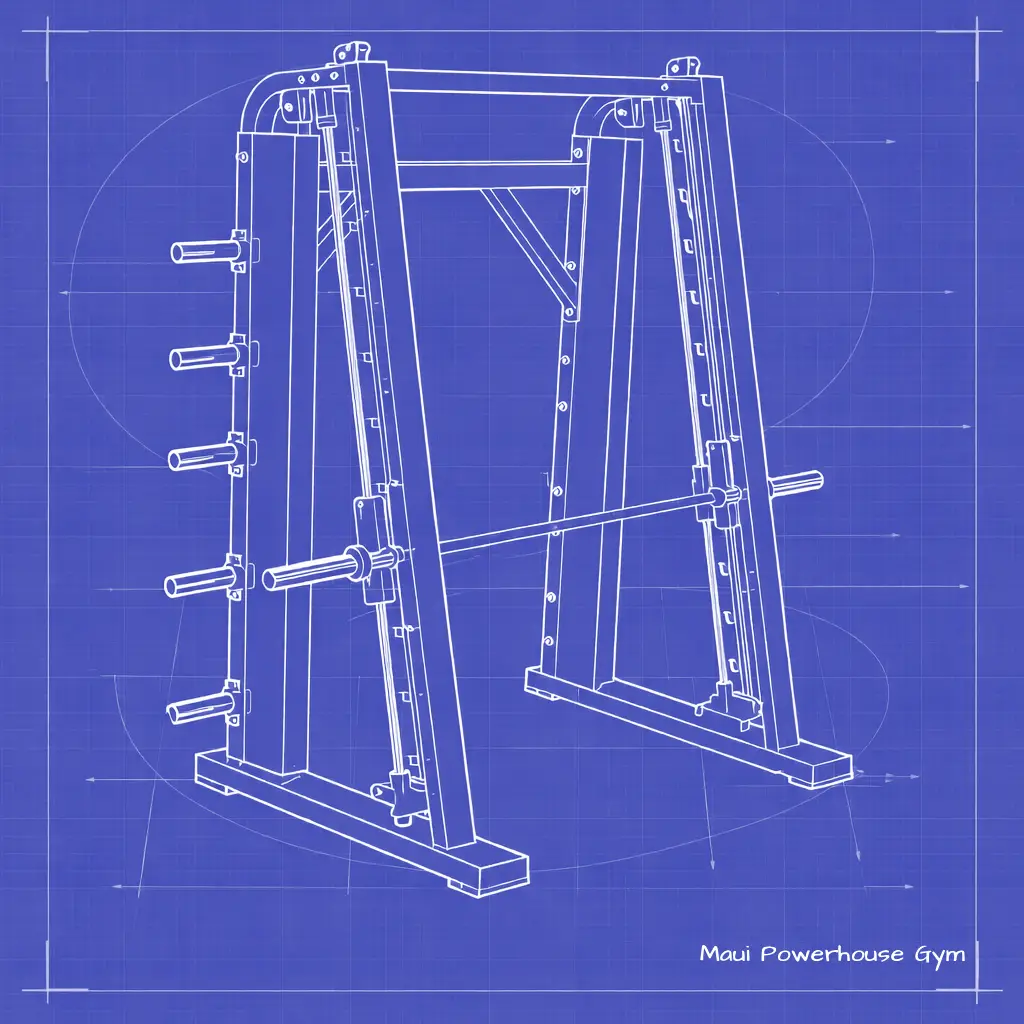
Smith Machine
Main Purpose: Guided barbell lifting. The fixed barbell position makes it safer and easier to use when lifting heavier weights.
Beginner tip: Great for learning to press and squat safely. Use the Smith machine to practice pressing and squatting patterns safely, but avoid overloading just because it feels easier.

Power Racks
Main Purpose: Free-weight lifting station designed for squats, presses, and deadlifts, equipped with safety bars for protection during heavy lifts. Offers maximum freedom and progression.
Beginner tip: Always set the safety pins at the correct height before lifting so you can bail out safely if a rep fails.

What If I Hurt Myself? Muscle Recovery & Injury Prevention 101
No Pain, No Gain
That phrase has probably pushed more beginners into injury than it ever motivated them.
When you’re new to weight and strength training, pain and soreness are inevitable, but not always required to get stronger. Knowing the difference between normal muscle soreness and something you shouldn’t ignore is how you stay safe and injury-free.
The biggest injury risks usually come from two things:
- 1.) Unstable positions you’re not used to yet (balance + coordination)
- 2.) Form breakdown, you don’t notice until something starts to hurt.
Feeling sore right after a workout is normal as your muscle tissues go through tearing and rebuilding them all over until they become stronger. This is called the AMS, or Acute Muscle Soreness, and you feel it right away.
Others might feel discomfort a day after or within 12-48 hours and experience what we call DOMS (Delayed Onset Muscle Soreness).
But why do we feel this soreness?
- Train a muscle you haven’t used that much before
- Try a new exercise or machine
- If you increase your volume (more sets/reps/weights) or intensity
- Muscles undergo a cycle of tearing and healing as they grow stronger.
But it’s a different case if what you feel is a sharp pain, deeper than the muscles. Pain isn’t always proof that you trained hard, and soreness doesn’t mean you’re hitting the right muscles if you risk being injured. There are times you feel less pain but can still see improvements.
When soreness becomes injury (red flags beginners shouldn’t ignore)
Normal soreness feels like:
- Dull but bearable discomfort only in the muscles
- Tightness and tenderness when you press the muscle
- Improves gradually as you warm up and move
What feels different with an injury is how specific and disruptive it becomes over time.
Most beginners are prone to getting injuries because they keep ignoring small warning signs, believing that “everyone says soreness is normal.”
If you feel the following, then you might be having an injury:
- Sharp, stabbing, or sudden pain, especially during movements that make it unbearable to move
- The pain that feels bone-deep in the joints (knees, shoulders, back)
- Swelling, bruising, and tenderness of the flesh on the affected muscle
- Pain that worsens over a week, instead of improving after rest
- Pain that changes how you walk, press, squat, or move, such as limping or avoiding one side
If you hit a red flag:
stop that exercise, don’t “test it,” and ask a coach to check your setup and form. Or, rest if you need to, as it can save weeks of forced rest.
DIY vs. Personal Coach: When to Get Help With Your Form or Plan
DIY Fitness works if you have a general goal, like working out every day, are on a budget, or have some experience using gym equipment. A self-taught DIYer can rely on resources such as podcasts, apps, blogs, YouTube videos, and social media influencers to get started. In reality, the drawback of the do-it-yourself trend in fitness can end up costing you more time researching than actually doing it.
Personal Trainers for beginners who offer one-on-one sessions and group classes, not just for athletes and others seeking extreme body transformations, stay with them as their confidence grows. Most common goals might be as strict as weight loss with a set timeline, restoring your strength after an injury, or correcting the form when you exercise for the first time.
Sometimes, having someone double- or even triple-check your workout setup is enough to make training feel safer and less stressful, and that’s where Personal Trainers come in.
Fitness Readiness Checklist
There’s no ‘wrong’ answer here. Be honest with yourself when you answer the following mini-checklist below, check ✅ if most of these feel true for you lately:
DIY Fitness Checklist for Beginners
- I’m comfortable using basic gym machines without second-guessing
- I usually know which muscles I’m supposed to feel when working out
- I can follow a simple workout plan without getting stressed
- I know when to stop or reduce weight if something doesn't feel right
- I’m seeing slow and steady progress, but maybe I can achieve more
- I recover well, and I know how to relieve soreness, and it improves within a few days
- I can stick with my own workout schedule without needing external motivation
***If you ticked more than 3 of the boxes above, then DIY Fitness is likely a good starting point for you.
I might need personal training as a beginner if:
- I often leave the gym wondering if my form was correct
- While on mid-set, I catch myself dazed out and thinking, “Am I doing this right?”
- I’ve been working out for months now, but can only see minimal results
- I don’t know how to safely increase weight, reps, or intensity
- I’m confused by the inconsistent fitness advice I read online
- I avoid some exercises because they feel awkward or scary
- I want help setting up a simple, repeatable plan
***If you checked most of the boxes in this part, you chose to start your fitness journey with a Personal Trainer by your side.
How a Personal Trainer Helps Beginners Use Gym Equipment?
Without guidance, beginners often bounce from machine to machine, guessing what works. A personal trainer can simplify this for you
- Selecting equipment that fits your current strength level
- Explaining what each machine does in plain language
- Matching machines to your goals (fat loss, strength, mobility, rehab)
After the machine introduction, you won’t hear yourself say, “Is this equipment really easy to operate?”
You can now start the next session knowing exactly what to use.
2. They Adjust Equipment for Your Body (Not a Generic User)
Without guidance, beginners often bounce from machine to machine, guessing what works. A personal trainer can simplify this for you.
Most machines are adjustable, but beginners rarely know how or why they need to adjust them. The sad part is that beginners might turn to ego-lifting because they’re too timid to reduce the weights left on it by other gym users. You don’t need months of personal training to benefit.
To prevent scenarios like this, even a single walkthrough session can:
- Setting proper seat height, handles, plates, and pads to fit your body
- Making sure your joints stay aligned and supported, they’ll spot with you if needed
- Preventing awkward angles that could really cause pain and injury
- This alone can make exercises feel safer and more effective.
- Elbows drifting
- Shoulders shrugging
- Rounding backs
- Knees collapsing inward
- Momentum replacing control
- One quick cue from a trainer can save weeks of bad habits (or forced rest).
To start building your confidence with your personal trainer, will:
- Train you on how to hold, proper grip, and use the exercise machines
- Teach you how to adjust the weights properly
- Help you understand what the exercise should feel like on each muscle part
- Eventually, the fear of “looking lost” fades, because you’re not guessing anymore.
Still Nervous? Book a Free Walkthrough Session With a Personal Trainer Who Gets It, Today!
👉 Book a free walkthrough session with a weight room trainer who understands beginners.
No pressure. No judgment. Just clarity, confidence, and a smoother start. Because the hardest part isn’t lifting the weight; it’s knowing the ‘hows’ of it.