
What to Do, Where to Go & What to Expect
There’s that ‘ahhhh moment,‘ usually just ten minutes after you’ve dropped your bags and walked down to the water, when everything in Kīhei clicks. The mild breeze and trade winds are doing that thing. The sun is angling low over the West Maui Mountains. Somebody’s barefoot kid is selling shave ice out of a cooler. And you inhale the fresh breeze, exhale, and realize — ‘yep, I picked the right side of the island.’
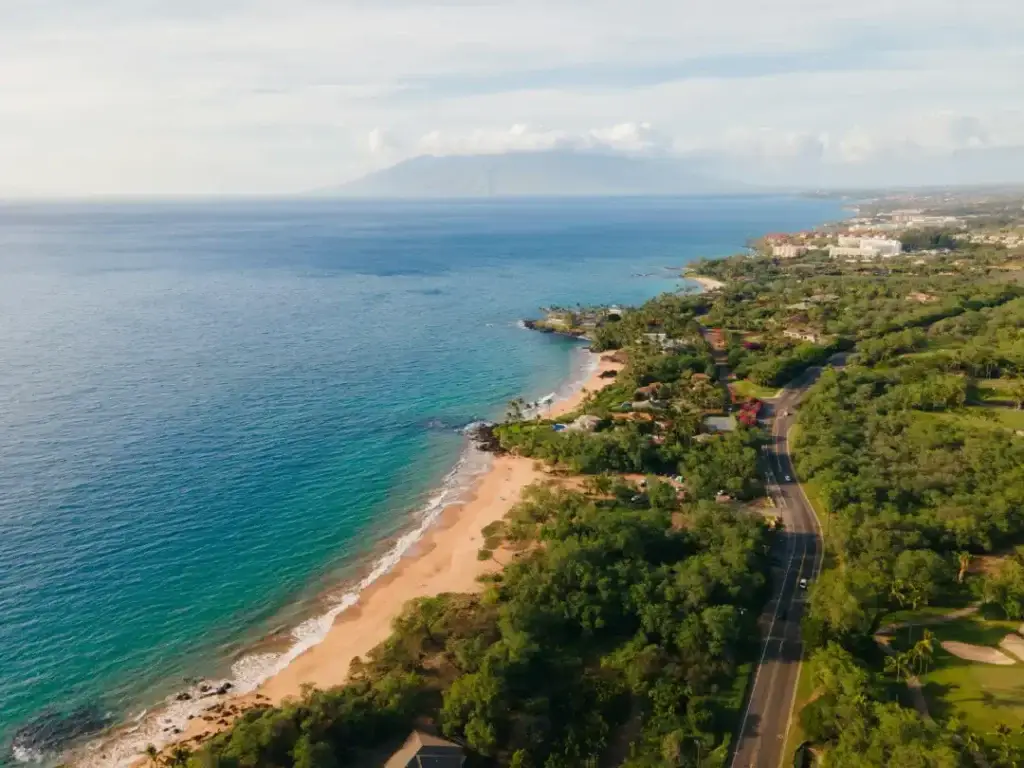
Kīhei is Maui’s most accessible beach town, six miles of coast, a string of swimmable beaches you can walk between, and a balance that sits somewhere between Wailea’s polished elegance and Lahainā’s colorful history. It’s where locals actually live. It’s where the food trucks outnumber the valets. It’s where a week goes by, and you still haven’t made it to half the places on your list, and you don’t really mind.
This guide covers everything you need to plan your time here well: the best beaches, where to eat, how Kīhei stacks up against the rest of the island, and how to structure a day so you leave feeling better than when you arrived — not wrung out by it.
What Kīhei Is Known For
- A few things Kīhei gets right:
- Calm, swimmable beaches: the south shore reef breaks the swell, so the water is kinder than what you’ll find up north.
- Affordability, relatively speaking: condos, airbnb and boutique stays instead of $900/night resorts.
- Walkability: shops, restaurants, beaches, and coffee all tucked into a stretch you can cover on foot or a cheap bike rental.
- Daily Sunshine: Kīhei is the driest spot on Maui. You plan a beach day here, you get a beach day.
- That combination: swimmable water, walkable town, affordable beds, reliable sun, is why Kīhei stays at the top of most first-time Maui itineraries.
Best Things to Do in Kīhei
Beaches
The Kamaʻole trio (Kam I, Kam II, Kam III) is the heart of Kīhei beach life. Three beach parks lined up in a row, each with its own personality, each with grassy lawns, restrooms, and outdoor showers. Keawakapu sits just south of them and trades the crowds for a longer, quieter stretch of sand.
More on these below, but if you only have one afternoon, go to Kam III at sunset.
Water activities
Kīhei is a soft-entry snorkel town. You don’t need a boat, you don’t need a guide, and you don’t need anything more technical than a mask, a pair of fins, and a little patience with the fish.

Snorkeling
Ulua Beach (just south of Keawakapu) and the rocky edges of Kamaʻole III are the easy wins. Turtles are frequent regulars.

Whale watching
December through April, humpbacks are showing off in the channel between Maui and Lānaʻi. You can literally see them from the beach. Binoculars are a gift to yourself.

Stand-up paddleboarding
morning, before the trades come up, is the window. Rental shacks line S. Kīhei Road.

Surf lessons
the break at Kalama Park is where everyone learns. Soft tops, small waves, friendly crowd.
Local experiences
Sunset watching in Kīhei is less an activity than a civic obligation. Locals gather on the grass at Kam III. People bring chairs. Dogs show up. Nobody’s rushing.
Food truck hopping along S. Kīhei Road is the other non-negotiable. Azeka Shopping Center and Kalama Village are the two main clusters. Plate lunch, fresh poke, açaí bowls, fish tacos, garlic shrimp — the variety is genuinely impressive for a town this size.
Kīhei also has a real arts-and-culture rhythm that’s easy to miss if you’re only here for the beaches. ProArts Playhouse runs live Hawaiian music nights, plays, and local comedy. The Fourth Friday Kīhei Town Party takes over the heart of town once a month with food, music, and local artisans. Azeka Shopping Center hosts a monthly hula show that’s genuinely lovely. Kalama Park regularly holds craft fairs and family festivals. These aren’t tourist-trap events, they’re where locals actually show up.
And then there are the beach walks. Kīhei’s coastal paths let you move from Kam I all the way down to Keawakapu at your own pace. Low effort, high reward. Do it at golden hour and thank yourself later.
Staying active without breaking the vibe
Kīhei’s laid-back rhythm makes it easy to stay active throughout the day without turning your vacation into a training camp. A lot of visitors mix beach time with light movement — morning walks along the coastal path, ocean swims, or a short structured workout before the sun gets serious. Thirty minutes of real movement in the morning pays you back all day: more energy for snorkeling, less of that mid-afternoon crash, and better sleep when you’re traveling across time zones.
If you’re the type who doesn’t want to completely let your routine go >it’s easy to stay active in Maui, the gym culture here is genuinely welcoming to drop-ins and visitors.
Every pro was once a beginner. Your turn starts here.
Best Beaches in Kīhei
- Kīhei’s beach lineup is the reason most people come here. Each one has a personality. Here’s how to pick.
- Kamaʻole Beach Park I — the family choice. Big grassy lawn, long sandy stretch, gentle shore break, lifeguards on duty. Good for kids, good for groups, good for the first beach day when you’re still figuring out where everything is.
- Kamaʻole Beach Park II — the middle child, and a little underrated for it. Smaller, rockier on the edges (which means better snorkeling), and usually less crowded than its siblings. Come here if you want the Kam experience without the crowd.
- Kamaʻole Beach Park III — the sunset beach. Wider sand, grassy knoll, tide pools on the south end for kids to explore, and a west-facing orientation that makes every single sunset feel staged. If you’re only hitting one Kam, make it this one.
- Keawakapu Beach — the long one. Three-quarters of a mile of soft sand that marks the quiet border between Kīhei and Wailea. Less crowded than the Kamaʻoles, zero lifeguards, and a vibe that leans more “morning walk and a book” than “cooler full of snacks.”
- Ulua and Mōkapu Beaches — technically just over the Wailea line, but close enough that Kīhei visitors end up here constantly. Ulua in particular is one of the most reliable snorkel spots on the south side.
- Pro tip: parking at Kam II and III fills up fast between 10 a.m. and 2 p.m. Go early, stay late, or walk. If the lots are full, try street parking on the side roads or the overflow lot at Kamaʻole I.
- 👉 Read The Full breakdown: Best Beaches in Kīhei
Kīhei With Kids
- Kīhei is one of the better beach towns on Maui for families with young children. A few places to build your days around:
- Kamaʻole Beach Park I is ideal for little ones learning to swim, gentle waves, wide sandy shore, restrooms, and lifeguards on duty.
- Kamaʻole III is the other strong family pick, with a big grassy area for picnics, a playground, and tide pools on the south end where kids can safely explore marine life.
- Keawakapu offers a quieter stretch if you want more space, just note there are no lifeguards.
- Off the sand, Maui Ocean Center (a ten-minute drive north in Māʻalaea) is a genuine highlight, tropical aquariums, interactive marine exhibits, and the kind of rainy-day backup plan you’ll be grateful to have.
- Kalama Park has a playground and plenty of open grass for kids to run off energy. The coastal path between the Kamaʻole beaches is stroller-friendly.
- And Kīhei’s food truck and casual café scene makes meal times easy when you’ve got flexible little schedules to work around.
Accessibility in Kīhei
- Kīhei is one of the more accessible beach towns on Maui, worth knowing about if you’re traveling with mobility needs, with older family members, or with anyone who benefits from step-free access.
- Accessible parking and entry. All three Kamaʻole beaches have designated accessible parking stalls near the main entrances, plus accessible drop-off zones if you want to drop gear and passengers before hunting for a spot.
- Paved paths. Most paths to the main beach areas at Kam I, II, and III are paved and generally wheelchair accessible. Some transitions from paved path to sand are uneven, but the main park areas themselves work well.
- Accessible facilities. The park restrooms at all three Kamaʻoles have accessible stalls, and the outdoor showers are designed with step-free access.
- Beach wheelchairs. Several rental shops around town (especially along S. Kīhei Road) offer beach wheelchairs on request and have step-free entries. Call ahead during peak season to reserve.
- Dining and shops. Most of the newer restaurants, cafés, and shops along S. Kīhei Road have step-free entry or ramps. Older properties can be more hit-or-miss, worth a quick Google Maps photo check before you commit to a specific spot.
- Planning ahead saves stress. Kīhei’s combination of paved paths, accessible beach amenities, and step-free entries makes it a welcoming town for travelers of all ages and abilities.
🌺 New to Maui or just trying to hold the line on vacation?
Where to Eat in Kīhei
Kīhei has one of the most genuinely interesting food scenes on the island...
Partly because residents actually eat here, so the restaurants have to be good, and partly because the rent allows a lot of small, chef-driven places to exist that wouldn’t survive in Wailea.

Local Hawaiian food:
plate lunch, loco moco, kālua pork, fresh poke. The food trucks deliver on this better than most sit-down spots.

Beachside casual
fish tacos, burgers, happy hour mai tais with an ocean view. Kalama Village and the beach-adjacent blocks have options at every price tier.

Cafés and smoothie culture
Kīhei runs on açaí bowls and cold brew. There’s a café (or three) on nearly every block.

Sushi and seafood
the fresh fish on the south shore is excellent. Kīhei has some quietly great sushi spots that locals guard.

👉 Full breakdown: Best Restaurants in Kīhei
Where to Stay in Kīhei
The short version: Kīhei gets you on the beach without the Wailea price tag.

Condos:
The most common option. Full kitchens, multiple bedrooms, washer/dryer, usually a pool. Ideal for families, groups, or stays longer than four nights. You save hundreds per night compared to a resort, and you can actually cook.

Boutique stays
a handful of small inns and boutique hotels for travelers who want hospitality touch without resort pricing.

Vacation rentals
private homes and casitas, mostly in the residential pockets. Good for groups wanting more privacy.

A Sample Day in Kīhei
Here’s how a well-paced Kīhei day actually plays out. You don’t have to hit every piece, but the structure holds up.
- Morning
- 5:35-6:00 AM - Sunrise at the coastal path. Up the stairs from Kam III, head north. Forty minutes round trip, trades are still soft, light is spectacular.
- 5:00 AM - 6:00 AM onwards - Coffee at a local café. Grab a cold brew or a flat white and sit outside.
- Kam I or Kam II. Water is glassiest before 10 a.m.
- Midday
- 6:00 AM - 10:00 AM - Snorkel window. Ulua or the south end of Kamaʻole III. Pack water.
- 10:00 AM - 12:00 NN onwards - Food truck lunch. Azeka or Kalama Village. Plate lunch, poke bowl, or fish tacos.
- 12:00 NN - 2:00 PM - Shade break. Condo, café, or the grass under a tree. The sun between 12 and 2 is not your friend.
- Afternoon
- 2:00 PM - 5:00PM - Light exploring. Shops in Kīhei town, farmers market (Tuesday/Friday/Saturday morning at Kalama Park), or a second swim.
- 3:00 PM - 6:00 PM - Happy hour. Kīhei’s happy hours are long and well-priced. You have options: draft beers, cocktails, etc.
- Evening
- 30-60 minutes before Sunset at Kam III. Bring a towel, show up thirty minutes early, stay through the full color change.
- 5:00 PM - 6:00 PM onwards - Dinner nearby. Walk to one of the spots along S. Kīhei Road. You shouldn’t need to drive.
The mid-trip reset
By day four of any beach vacation, something starts to catch up with you. Sun, salt, a few too many mai tais, sleep that isn’t quite right because the pillows aren’t your pillows. Plenty of travelers find that a short reset somewhere around the middle of the trip makes the back half of their vacation dramatically better — a real workout, a cold shower, forty-five minutes of moving your body in a controlled environment instead of getting cooked by the sun.
Kīhei happens to have good options for that. Drop-in day passes are easy to come by, the gym culture is welcoming (not intimidating), and thirty to forty-five minutes is all it takes to reset your energy for the rest of the week.
👉 Here’s how to build a short reset routine into your Maui trip. →
Kīhei vs. the Rest of Maui
Kīhei vs. Wailea

Wailea
is resort-polish Maui - manicured grounds, beachfront luxury properties, valet service, $28 cocktails, shopping that includes actual Gucci. It’s Maui for people who want to be taken care of from the moment they check in.
Kīhei
is the town next door where you rent a condo with a kitchen, walk to the beach, and eat fish tacos out of a truck. And for a lot of travelers, Kīhei’s flexibility and pricing make it the smarter pick, with Wailea a ten-minute drive away when you want an upscale dinner.

Choose Kīhei if: you want value, flexibility, and a more local feel.
Choose Wailea if: you want to be pampered, you don’t want to think about logistics, and budget isn’t the deciding factor.
👉 Full breakdown: Kihei vs. Wailea
Kīhei vs. Lāhainā

Lahainā
Maui’s historic west-side town. A former whaling port, with deep cultural roots, and a community working through the long recovery from the 2023 fires. It has a different energy: more history, more art, more of a sense of time layered into place.

Kīhei
is quieter, sunnier, more beach-oriented, and more set up for visitors looking to post up in one spot for a week.

👉 Things to Do in Lahainā
Connecting With Local Culture
Kīhei isn’t a “cultural experience” the way some Hawaiian towns advertise themselves to be, but it does offer easy, genuine ways to connect, if you’re paying attention.
Learn a few Hawaiian phrases. A smile and a few simple words go further than most tourists realize:
Aloha — hello, love, goodbye
Mahalo — thank you
E komo mai — Welcome
ʻOhana — Family
Howzit — informal, “how are you?”
Show up at the farmers markets. Tuesday, Friday, and Saturday mornings at Kalama Park. Meet local farmers, sample island produce, support Maui-owned businesses.
Catch a live show at ProArts Playhouse. Live Hawaiian music nights, storytelling, local theater. It’s where Kīhei residents actually go for a night out.
Fourth Friday Kīhei Town Party. Monthly. Food, music, local artisans, genuine local-community atmosphere. If your trip overlaps, go.
Monthly hula show at Azeka Shopping Center. Free, open to the public, real hula hālau performing.
Beach cleanups and community events. If you hear about one during your stay, lend an hour. Locals remember visitors who show up.
The posture that matters more than any of these specifics: curiosity and respect.
Treat Maui as a place where people live, not a backdrop to your week. That’s the whole etiquette.
Travel Tips for Kīhei Visitors
Best time to visit
Partly because residents actually eat here, so the restaurants have to be good, and partly because the rent allows a lot of small, chef-driven places to exist that wouldn’t survive in Wailea.

Best time to visit.
Kīhei is pleasant year-round, but April–May and September–October hit the sweet spot: fewer crowds, great weather, and better pricing. Whale season (December–April) is its own draw. Peak holidays are the most expensive and most crowded.

Transportation
You want a rental car. Maui is a driving island. Kīhei itself is walkable once you’re settled, but getting to Haleakalā, Hāna, or the West Side requires wheels. The Maui Bus system runs routes connecting Kīhei to Kahului, Wailea, and Lahainā, affordable, but infrequent and route-limited. Rideshare (Uber, Lyft) is available but gets expensive and unreliable outside the main town corridors. Bike and e-bike rentals work great for getting around Kīhei itself. If you’re staying car-free, you can absolutely enjoy a Kīhei-only trip, but seeing the rest of Maui realistically requires a rental.
Beach safety.
The south shore is generally calm, but ocean conditions change. Check flags at lifeguarded beaches (Kam I and Kam III have lifeguards), don’t turn your back on the water, and respect the reef, reef-safe sunscreen is the law in Hawaiʻi for a reason.

Reef etiquette.
Don’t stand on coral. Don’t chase turtles. Give honu at least ten feet of space, they’re protected.
Weather layers.
Kīhei is dry and warm, but the sun is strong and the wind picks up in the afternoon. Hat, long-sleeve UPF shirt, water. Upcountry and Haleakalā runs, bring a jacket. Seriously.

Rainy-day backups.
Kīhei rarely has a full-on rainy day, but when it does, there’s plenty to do: Maui Ocean Center in Māʻalaea, local boutiques and galleries, a matinee at ProArts Playhouse, a yoga class, a long café session, or a quiet afternoon at Kīhei Public Library.
Kīhei FAQ:
Is Kīhei a good place to stay in Maui?
Is Kīhei better than Wailea?
It depends on your travel style. Kīhei is better for value, flexibility, and a more local feel. Wailea is better for resort amenities, luxury stays, and a hands-off experience. A lot of travelers stay in Kīhei and dip into Wailea for a special dinner.
How many days should you spend in Kīhei?
Longer stays (a week or more) work great if you’re settling in with a condo and exploring the rest of Maui from a Kīhei base.
Is Kīhei safe?
What’s the weather like in Kīhei?
Can you snorkel in Kīhei?
Is Kīhei walkable?
Is Kīhei good for families with young children?
Is Kīhei accessible for travelers with mobility needs?
Do I need a rental car if I’m staying in Kīhei?
For a Kīhei-only trip, no: the town is walkable and the Maui Bus connects to nearby areas.
For exploring the rest of Maui (Haleakalā, Hāna, the West Side), yes. A rental car makes the trip significantly easier.
Do restaurants and tours require reservations in peak season?
Popular sit-down restaurants recommend reservations, especially for dinner and especially during holidays and school breaks. Whale-watching tours (December–April), Molokini snorkel trips, luaus, and guided excursions book up and reserve ahead. Food trucks, casual cafés, surf lessons, and SUP rentals usually have same-day availability.
This guide is brought to you by Maui Powerhouse Gym, Kīhei's locally owned, 24/6 community gym since 2005. We write about Maui because we live here. We train here. And we believe a real vacation works better when you keep moving a little.
👉 Learn More about MPHG Kīhei → 👉 How to stay active in Maui →Lift With Aloha.
Ready to Start Your Maui Fitness Journey?
Explore your options:
(2023). Kīhei, Hawaii. Wikipedia. https://en.wikipedia.org/wiki/Kīhei,_Hawaii
(2024). Kihei, HI Crime Rates and Crime Statistics – NeighborhoodScout. NeighborhoodScout. https://www.neighborhoodscout.com/hi/kihei/crime/
(2024). Vacation Rental Condo vs Resort Hotel in Maui Hawaii. Alii Resorts. https://www.aliiresorts.com/blog/vacation-rental-vs-resort/
(2023). Facilities • Kama’ole Park I. Maui County Parks and Recreation. https://www.mauicounty.gov/facilities/facility/details/Kamaole-I-202
(2026). Maui Ocean Center.
Smith, C. (2022). Is Ulua Beach Good For Snorkeling?. Mauihacks. https://mauihacks.com/is-ulua-beach-good-for-snorkeling/
Nunez, K. (2019). Working Out in the Morning: 13 Benefits, Research, Tips, and More. Healthline. https://www.healthline.com/health/exercise-fitness/working-out-in-the-morning
(2026). Whale Watching Maui 2026 – Complete Guide To Best Tours, Season, & Harbors. Whale Watching Maui Website. https://whalewatchingmaui.org/