Strength Training Vs. Group Classes: Which Is Right For You?
The weight room and the class schedule solve different problems. Here’s how to figure out which one actually fits how you train.
4 minute read
Strength training vs group classes doesn’t need to be a permanent choice, and treating it like one is usually the mistake. But if you’re deciding where to spend most of your gym time, the two options pull in genuinely different directions — worth understanding before picking.
The short version
Pick the format that removes your actual obstacle. If you want control over programming, the weight room wins. If what derails you is deciding what to do, a class wins.
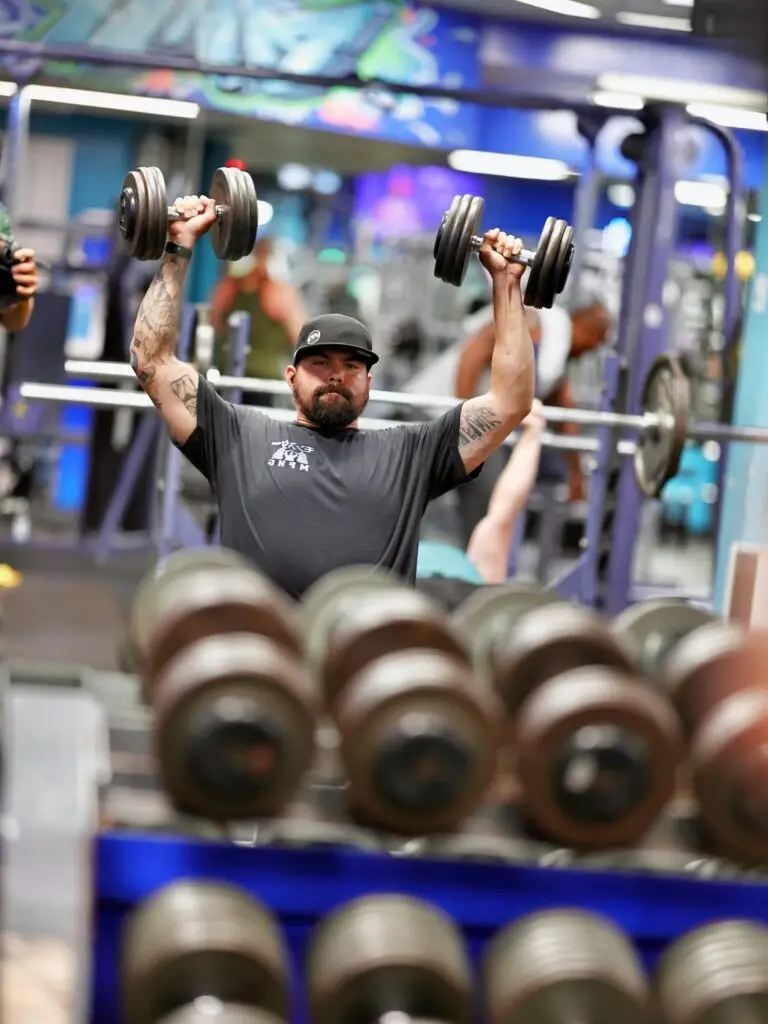
The Case For Solo Strength Training
Full control over pace, programming, and progression. Two weight rooms and 80-plus machines at Maui Powerhouse Gym mean there’s rarely a wait, and dedicated deadlift platforms remove one of the most common bottlenecks in a shared space. Best fit for people who already know — or want to learn — how to structure progressive overload themselves, or who want a personal trainer building that structure for them individually.
- Two weight rooms
- 80+ machines
- Deadlift platforms
Why the weight room suits self-directed training
Your own pace
You set the sets, the rest, and the progression — nothing is timed to a room.
80+ machines
Across two weight rooms, so there’s rarely a wait for what you came in to do.
Deadlift platforms
Dedicated platforms remove one of the most common bottlenecks in a shared space.
The Case For Group Classes
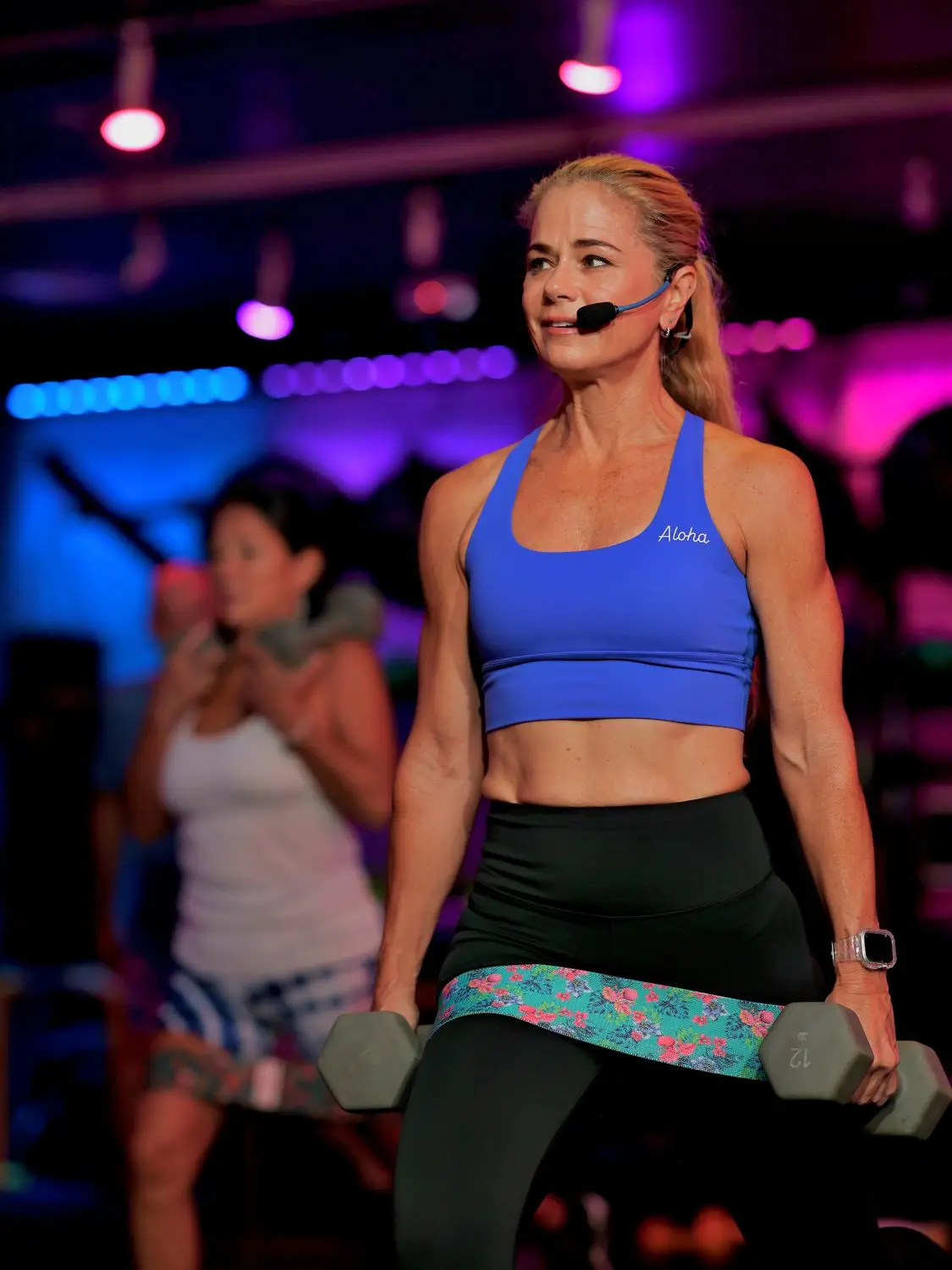
Structure without having to build it yourself. The Studio Maui runs strength, cycle, HIIT, yoga, and Pilates formats — someone else decides the plan, the pacing, and the format, and you just show up. Best fit for people whose actual obstacle is decision fatigue, not physical capability — if “what do I do today” is what keeps derailing your routine, a class removes that question entirely.
- Strength
- Cycle
- HIIT
- Yoga
- Pilates
Where Cost Comes In
Solo training is included in a base gym membership at no extra cost. Group classes run separately — $50/month to start (six classes), or unlimited for $100/month as a gym member ($125 public), with single drop-ins at $25 ($12 for gym members) and a 10-pack at $150. Worth factoring in if budget is part of the decision, though members do get roughly 50% off the public class rate.
| Option | Gym member | Public |
|---|---|---|
| Solo strength training | Included in a base gym membership, no extra cost | — |
| Classes — starter plan | $50/month to start (six classes) | $50/month to start (six classes) |
| Classes — unlimited | $100/month Members save ~50% on class rates | $125/month |
| Single drop-in | $12 | $25 |
| 10-class pack | $150 | $150 |
| Personal training | $150 single session, or $100/session on a three-month plan | $150 single session, or $100/session on a three-month plan |
Reading the table
Members do get roughly 50% off the public class rate. Solo training adds nothing on top of the membership itself.
Where Accountability Comes In
A scheduled class with a fixed start time is harder to skip than an open-ended gym visit — there’s a social and time-based commitment that solo training doesn’t have built in. If accountability has historically been your weak point, that structural difference matters more than which format burns more calories.
If skipping is the pattern
Put the thing with a start time on the calendar first, then build the rest of the week around it.
Where Personalization Comes In
Group classes are built for a room, not an individual — reasonable general programming, but not tailored to your specific limitations or goals. Personal training splits the difference: the structure of a guided session with the individualization of solo training, at $150 for a single session or $100/session on a three-month plan.
The Honest Answer: Most People Benefit From Both
Strength training builds capacity that makes classes more effective, and classes provide the conditioning and consistency that make strength gains stick. Members who qualify can join the Jump Start Program — four weeks and four one-on-one personal training sessions — often an easy way to figure out which side of this you actually gravitate toward before committing further either direction.
Start in the weight room if…
You want control over programming and progression, or you want a trainer building that structure for you individually.
Start with classes if…
Decision fatigue is the real obstacle, or a fixed start time is what keeps you showing up.
Jump Start Program
Four weeks and four one-on-one personal training sessions, for members who qualify — an easy way to find out which side you gravitate toward. See the Jump Start Program.
FAQs About Strength Training Vs. Classes
Neither is definitively better — it depends on what typically derails your consistency. If decision fatigue is the problem, classes provide built-in structure. If you want full control over your own programming, the weight room does that better.
Yes, and most people who stick with a routine long-term end up doing some mix of both rather than choosing one exclusively.
Yes — gym members get roughly 50% off the public rate for Studio classes.
Which One Solves Your Obstacle First?
This isn’t really an either-or decision — it’s a question of which one solves your actual obstacle first. See membership options and look into the Jump Start Program, if you qualify, to find out which side you lean toward.
Related Articles
Strength Training 101: Beginner’s Absolute Guide to the Weight Room
Where to start in the weight room, and how to build a first program that progresses.
Read itThe Ultimate Guide to Personal Training for Beginners in Maui
What one-on-one coaching covers, and who gets the most out of it.
Read itHIIT for Fat Loss and Muscle Gain: Is It Really Safe for Beginners?
A closer look at one of the class formats on the Studio schedule.
Read it